12 Best Things to Do in Seoul: Itineraries, Tips & Cultural Rules
There’s a reason travellers keep circling back to Seoul. With 9.7 million residents and five grand palaces from the Joseon dynasty, the city pulls off a rare balance – ancient tradition hums alongside 24‑hour nightlife and neon‑lit markets. This guide cuts through the listicle clutter and gives you practical itineraries, cultural context, and the real rules visitors need to know before they land.
Population of Seoul: 9.7 million (2024) · Number of grand palaces: 5 · Ideal travel month: October (average high 19°C)
Quick snapshot
- Seoul has five grand palaces – Gyeongbokgung, Changdeokgung, Deoksugung, Gyeonghuigung, Changgyeonggung (Royal Palaces and Tombs Center)
- The 52‑hour work week has been the legal limit in South Korea since 2018 (Visit Seoul)
- Best travel months are April (cherry blossoms) and October (autumn foliage) (VISITKOREA)
- Hanbok rental unlocks free entry to Seoul’s palaces (Bon Traveler)
- The exact definition of the “3‑3‑3 rule” varies among sources
- The “3 date rule” is a social guideline, not a formal law
- Whether 7 days in Seoul is “too much” depends entirely on travel pace
- Changing‑of‑the‑guard times at Gyeongbokgung are reported differently by different guides
- Gyeongbokgung hours shift seasonally: Nov–Feb 09:00‑17:00, Mar–May & Sep–Oct 09:00‑18:00 (Royal Palaces and Tombs Center)
- Myeongdong Night Market runs 5 PM–1 AM daily (Tripadvisor)
- Plan your itinerary with cultural norms in mind: no tipping, remove shoes indoors, and respectful drinking etiquette
- Consider hanbok rental – it saves money and adds a memorable photo experience
Palace hours are seasonal – check the Royal Palaces and Tombs Center’s schedule before you go. Arriving at 4 PM in winter means only one hour inside.
Five data points, one pattern: Seoul is designed for efficient exploration.
| Attribute | Value |
|---|---|
| Population | 9.7 million (2024) |
| Official language | Korean |
| Currency | South Korean won (KRW) |
| Timezone | KST (UTC+9) |
| International airport | Incheon International Airport (ICN) |
| Grand palaces | 5 |
| Best months | April, October |
What should you not miss in Seoul?
Start with the heart of the Joseon dynasty: Gyeongbokgung Palace, the largest of the Five Grand Palaces according to the Royal Palaces and Tombs Center (official palace management). The changing‑of‑the‑guard ceremony is a highlight – guides report it happens at 10:00 and 14:00 at Gwanghwamun Gate (KoreaToDo), though times vary by season. Wear a hanbok and you’ll walk in for free, says Bon Traveler.
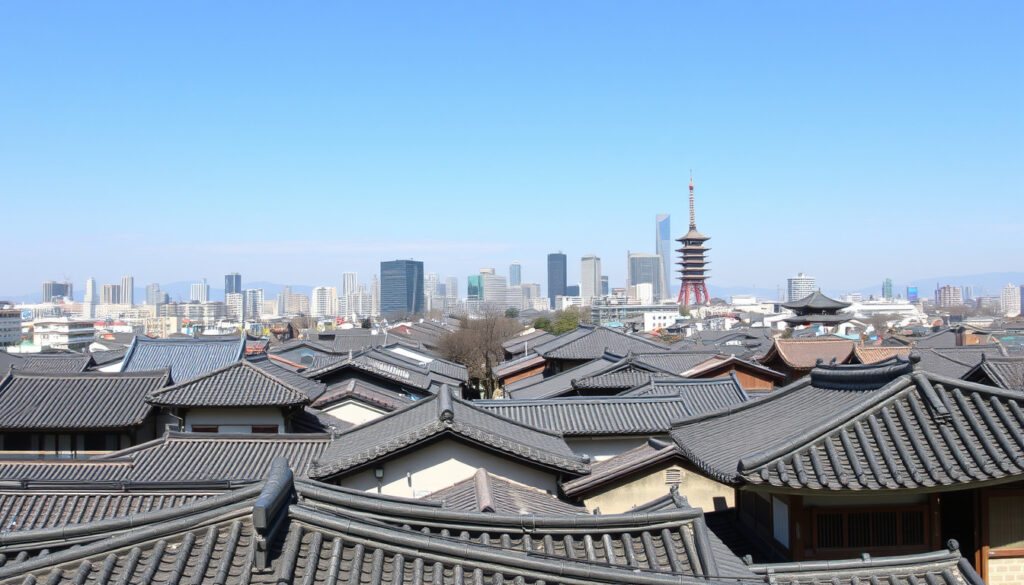
Just east lies Bukchon Hanok Village, a hillside neighbourhood of restored traditional Korean houses. Bon Traveler lists it as a key stop for first‑timers. For shopping and street food, Myeongdong is the epicentre – the night market runs from 5 PM to 1 AM every day (Tripadvisor). And at Gwangjang Market, you’ll find the city’s best bindaetteok, mandu, and japchae (The Royal Tour Blog).
What are the top 5 things to do in Seoul?
If you only have a day or two, this five‑stop route hits the essential notes:
- Visit Gyeongbokgung Palace and watch the changing of the guard – free with hanbok rental (Bon Traveler)
- Explore Bukchon Hanok Village and the surrounding art galleries (VISITKOREA)
- Take in panoramic views from N Seoul Tower on Namsan Mountain
- Shop and eat in Myeongdong and Hongdae – Myeongdong for food, Hongdae for street performances and nightlife (Traverse)
- Experience the food scene at Gwangjang Market – especially bindaetteok and japchae (The Royal Tour Blog)
Is 3 days enough for Seoul?
Yes, for a first‑time visitor focused on central Seoul. Three days let you cover the main sights without rushing. Here are two sample schedules.
Sample 3‑day itinerary for couples
Day 1: Gyeongbokgung Palace (morning), Bukchon Hanok Village (lunch), then a stroll through Insadong’s tea houses and galleries. Day 2: Myeongdong shopping and street food, N Seoul Tower at sunset, Hongdae nightlife. Day 3: Gwangjang Market for an early brunch, then relax or explore a neighbourhood like Seongsu.
Sample 3‑day itinerary for solo travellers
Day 1: Palaces and Bukchon. Day 2: Hongdae and the surrounding indie art scene. Day 3: A day trip to Suwon Hwaseong Fortress (about 1 hour by train). Solo travellers benefit from Seoul’s excellent public transport and safety.
Is 7 days in Seoul too much?
Not if you want to go deeper. Seven days allow you to explore distinct neighbourhoods, take day trips, and experience cultural activities beyond the standard checklist.
How to fill 7 days without boredom
- Day 1–3: Palace circuit, Bukchon, Myeongdong, N Tower, Gwangjang Market.
- Day 4: Hongdae art performances, and a cooking class to learn bibimbap or kimchi.
- Day 5: Day trip to Suwon Hwaseong Fortress (UNESCO) – VISITKOREA lists it as a popular excursion.
- Day 6: Explore Insadong and the Star of the Seas – a massive cruise ship that occasionally docks in Seoul’s port, offering family‑friendly activities.
- Day 7: Relax at a jjimjilbang (Korean bathhouse) or revisit a favourite market.
What is the best month to visit Seoul?
Season matters more in Seoul than in many cities. The winters are dry and cold, summers are hot and wet. Here’s a quick seasonal guide.
Spring (March–May)
April brings cherry blossoms – VISITKOREA lists it as peak bloom. Mild temperatures make outdoor exploring ideal.
Autumn (September–November)
October is the top recommendation: autumn foliage colours Namsan and the palace gardens, with average highs around 19°C.
Summer (June–August)
Hot and humid, with monsoon rains. Indoor attractions like museums and shopping malls are your best bet. The 52‑hour work week (Visit Seoul) means some businesses close earlier than you might expect.
Winter (December–February)
Cold (averaging -5°C in January) but fewer crowds. Festive lights at Cheonggyecheon Stream and the Seoul Lantern Festival make it worthwhile.
If you book for October, you get the best weather, foliage, and fewer chances of rain – but book accommodation early. It’s the busiest month.
Seoul vs Tokyo: Which city suits your trip?
One pattern emerges from comparing the two Asian capitals: Seoul is more affordable and more walkable, while Tokyo offers more ticketed attractions and a wider variety of world‑class museums.
| Factor | Seoul | Tokyo |
|---|---|---|
| Average daily budget (mid‑range) | ~$115 | ~$150 |
| Grand palaces / castles | 5 grand palaces (free with hanbok) | Tokyo Imperial Palace (guided tour only) |
| Street food hubs | Gwangjang, Myeongdong night market | Tsukiji Outer Market, Ameya‑Yokocho |
| Cultural rules | No tipping, 52‑hour work‑week limits some hours | No tipping, no talking on trains |
| Best season | April (cherry blossoms), October (foliage) | March–April (cherry blossoms), November (autumn) |
Upsides of Seoul
- Affordable street food and public transport
- Rich cultural heritage with free palace access (hanbok hack)
- Safe neighbourhoods and friendly locals
- Vibrant nightlife in Hongdae and Itaewon
Downsides of Seoul
- Language barrier in non‑touristy areas
- Cold winter and humid summer
- Some businesses close early due to 52‑hour work‑week rules
- Crowded palaces and markets during peak seasons
Confirmed facts and open questions
- Seoul has five grand palaces confirmed by the Royal Palaces and Tombs Center
- The 52‑hour work week is law in South Korea since 2018 (Visit Seoul)
- Best months are April and October for weather and scenery (VISITKOREA)
- Tipping is not customary (Go! Go! Hanguk)
- The 3‑3‑3 rule for alcohol and driving varies between sources – some say 3 glasses, 3 hours sleep, then drive; the legal BAC limit is 0.03 %
- The 3 date rule is a social custom, not a legal requirement
- Changing‑of‑the‑guard times at Gyeongbokgung are reported as 10:00 & 14:00 by KoreaToDo and 11:00, 14:00, 15:30 by Bon Traveler
- Whether 7 days is too much depends on personal travel style
Refrain from pointing and wait until the other person has finished speaking before responding.
Visit Seoul etiquette page
Tipping is generally not customary in South Korea.
Go! Go! Hanguk
Changdeokgung Palace closes on Mondays, with an exception when a public holiday or substitute holiday falls on the regular closing day.
K-Royal Culture Festival
For travellers planning a trip to Seoul, the implications are clear: pack for October’s mild air, bring a hanbok for free palace entry, and leave the tipping expectation at home. If you only have three days, you’ll cover the essentials. If you have seven, you’ll leave with stories from Suwon, Hongdae, and the local bathhouses. For first‑time visitors, the choice is simple: choose Seoul for its affordability, cultural depth, and the chance to experience a city where ancient and futuristic live side by side.
Frequently asked questions
What is the 3‑3‑3 rule in Korea?
The 3‑3‑3 rule is often cited in relation to drinking and driving: allegedly 3 glasses of soju, then 3 hours of sleep, then drive. However, the legal blood alcohol limit in South Korea is 0.03 % BAC, and the exact origin of the “3‑3‑3” label is unclear. It is not a formal law.
What is the 52‑hour rule in Korea?
The 52‑hour work week is a legal limit in South Korea since 2018, capping weekly working hours at 40 regular hours plus 12 overtime hours. It applies to most businesses and can affect restaurant and shop hours, especially outside tourist zones.
What is the 3 date rule in Korea?
The 3 date rule is a social norm in Korean dating culture, suggesting that three dates are expected before a relationship becomes exclusive. It is not a formal law or written rule.
Is Tokyo or Seoul better?
Both are amazing, but Seoul is generally cheaper, more compact, and offers free palace access with hanbok. Tokyo has more world‑class museums and a wider range of themed attractions. Budget travellers often prefer Seoul.
What are some crazy things to do in Seoul?
Try a jjimjilbang (Korean bathhouse) experience, sing at a noraebang (karaoke room) in Hongdae, or join the nightlife in Itaewon. For something unique, visit the Star of the Seas cruise ship when it docks – it offers a floating resort with pools and shows.
What are the best things to do in Seoul for young adults?
Hongdae for street performances and club nights, Myeongdong for shopping and street food, and the Hongdae art market for indie crafts. Young adults also enjoy the nightlife of Itaewon and Gangnam.
What are the best things to do in Seoul with kids?
Visit Lotte World (indoor theme park), Seoul Grand Park (zoo and amusement park), the Children’s Museum at the National Museum of Korea, and the trick‑eye museums in Hongdae. Palace tours with hanbok rental are also kid‑friendly photo ops.
What is the best month to visit Seoul?
October offers mild weather, autumn foliage, and fewer rainy days compared to summer. April is second‑best for cherry blossoms. Winter is cold but less crowded, while summer is hot and humid with monsoon rains.
More related posts
 Morning Prayer to Start the Day: Simple Steps and Examples
 How to Make an Invoice: Step-by-Step Guide for Freelancers
 Air New Zealand Call: Official Phone Numbers & 24/7 Support
 Things to Do in Bangkok – Top Attractions, Itinerary and Tips
 Mastercard Credit Cards NZ: Best Options, Comparisons & FAQs
 Cast of The Family Next Door (2025) – Full List & Characters
 PSG vs Aston Villa Lineups 2026: Confirmed XI & Result
 Lemon Balm Tea NZ: Benefits, Side Effects and Best Picks
