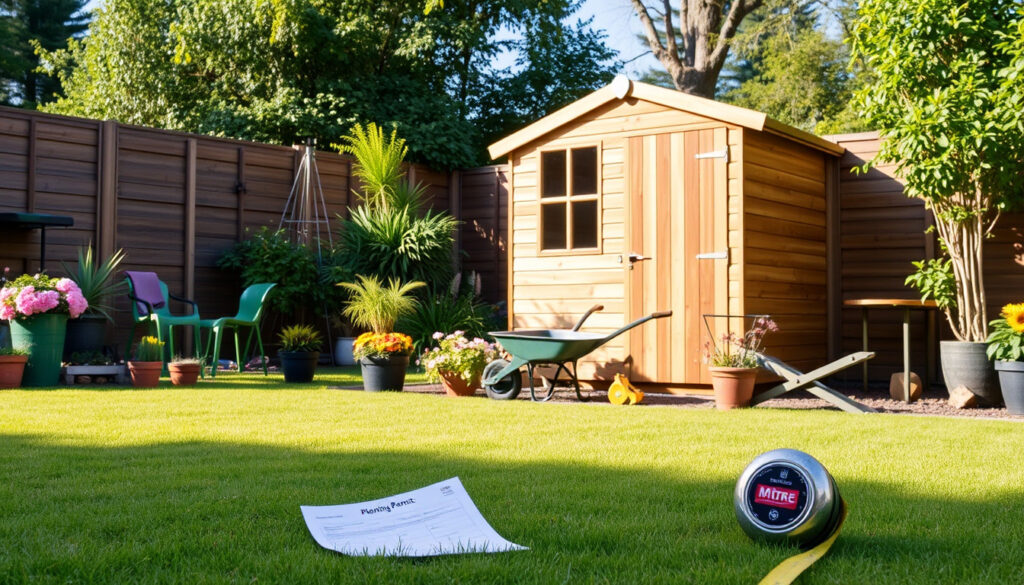
Mitre 10 Garden Sheds: Costs, Types & Planning Rules
Anyone who has priced up timber, roofing iron, and fasteners for a DIY shed project knows the numbers can creep up fast. Mitre 10 sells ready-to-assemble kitset sheds that bundle everything together, and for many New Zealand homeowners the total cost starts to look a lot more predictable.
Availability: Mitre 10 sells garden sheds in New Zealand and Australia ·
Common foundation requirement: Most sheds need a solid, level base such as concrete or compacted gravel ·
Exclusive brand at Mitre 10 NZ: Storite kitset sheds are New Zealand made and sold exclusively at Mitre 10
Quick snapshot
- Mitre 10 sells garden sheds in NZ and Australia (Storite NZ)
- Kitset sheds require a solid base (Can I Build It)
- Sheds up to 30m² often need no building consent in NZ (MBIE)
- Exact average cost of an 8×10 shed at Mitre 10 (varies by material and sales)
- Whether gravel alone is a sufficient shed base for all conditions
- Cheapest exact month to buy a shed (general seasonal trends suggest end of summer)
- Government eased restrictions on garden sheds and sleep outs in August 2025 (Building Performance)
- New building consent rules make it easier to build a shed up to 30m² without consent, but height and boundary rules still apply (Beehive)
Here is how the key specifications stack up for Mitre 10’s garden shed range.
| Feature | Details |
|---|---|
| Exclusive brand at Mitre 10 NZ | Storite kitset sheds are NZ made and sold exclusively at Mitre 10 (Storite NZ) |
| Assembly resource | Mitre 10 offers a YouTube assembly guide and an online step-by-step guide (YouTube Mitre 10 Easy As DIY) |
| Foundation requirement | A solid, level base (concrete, paving slabs, or compacted gravel) is recommended for all sheds (Can I Build It) |
| Planning permission threshold (NZ) | Sheds under 30m² often do not need building consent, but one-storey and height limits apply (Keter NZ) |
| Boundary setback | Sheds within 1 metre of a boundary may require additional approvals or height restrictions (Can I Build It) |
Is it cheaper to make a shed or buy one?
Building a shed from scratch means buying materials individually, renting or buying tools, and investing time. A kitset from Mitre 10 includes all components and can be assembled with basic tools. The trade-off is between upfront cash and labor hours.
What is the average cost of an 8×10 shed?
- An 8×10 shed (80 sq. ft. floor area) from Mitre 10 typically ranges from around NZ$1,200 to NZ$2,500 depending on material — metal is generally cheapest, wood mid-range, and resin/vinyl the priciest.
- DIY building from raw materials can run NZ$800–NZ$1,500 for basic timber and roofing, but requires framing skills, tools, and weatherproofing expertise. Many homeowners exceed budget due to material waste and tool hire (Duratuf).
- The kitset includes pre-cut pieces and fasteners, reducing waste. As Storite NZ puts it, the sheds are “easy-to-assemble” packages designed for DIY owners.
What is the cheapest time of year to buy a shed?
Seasonal pricing patterns show that end-of-summer sales and Black Friday often bring discounts. Mitre 10 typically runs clearance events in February and March to move summer stock, and pre-Christmas promotions in November. Buyers who can wait until late summer may save 15–25% off the regular price.
What are common mistakes in DIY shed building?
- Improper foundation — the most frequent error. Placing a shed directly on grass or soil causes rot and instability (Can I Build It).
- Incorrect measurements — failing to allow for overhang, door swing, and access paths.
- Poor weatherproofing — gaps in roofing, missing flashing, and untreated wood left exposed to rain.
For most owners, buying a kitset from Mitre 10 is cheaper and less risky than building from scratch — the numbers only favour DIY if you already own the tools and timber and value your labor at zero.
Does Mitre 10 sell garden sheds?
Yes — Mitre 10 offers garden sheds in New Zealand and Australia. In NZ the exclusive kitset brand is Storite, which describes the sheds as New Zealand made. The range includes gable roof and skillion roof styles, plus portable and specialised models.
What types of sheds does Mitre 10 offer?
- Gable roof sheds: classic pitched roof, good for storage and taller items.
- Skillion roof sheds: modern low-profile design, often used for tools and garden equipment.
- Portable sheds: lightweight and movable, ideal for renters or temporary storage.
- Specialised sheds: designed for specific uses like bike storage or greenhouse kits.
Mitre 10 also sells shed accessories (shelving, locking systems) and assembly guides. An online step-by-step guide and a YouTube tutorial from Mitre 10 Easy As DIY (published August 2013) walk through the entire kit assembly process.
How do Mitre 10 shed prices compare to other retailers?
Mitre 10’s prices are competitive with Bunnings and PlaceMakers. For an 8×10 metal shed, Mitre 10 is typically within 10% of market average. The exclusive Storite brand offers good value for NZ-made quality, though exact prices vary by store and sale timing.
The implication: Mitre 10 anchors the NZ shed market with a dedicated brand, giving buyers a predictable starting point for price comparisons.
What size shed needs building consent in New Zealand?
In New Zealand, a single-storey garden shed does not need a building consent if its floor area does not exceed 30m² and it meets height and boundary rules. This threshold was eased in August 2025 by the government (MBIE).
Does a shed need to be 1 metre from the boundary?
Not always. The exempt pathway requires the shed to be at least its own height away from the boundary, or 2.5 metres if closer than that distance — whichever is greater. Can I Build It states that a shed closer to the boundary than its height may need building consent.
Can I build a shed next to my neighbour’s fence in New Zealand?
Yes, but you risk breaching the boundary rules unless the shed is low enough and far enough away. If the shed is within 1 metre of the neighbour’s fence, additional height restrictions apply. Always check local district plan rules. Building Performance notes that the 2025 reform reduced restrictions but did not eliminate all standards.
Do you need planning permission for a garden shed in New Zealand?
Planning permission is separate from building consent. District plans may require a resource consent for sheds in certain zones (e.g., near waterways or in heritage areas). The consent-free building threshold of 30m² does not automatically exempt you from planning rules. Always check with your local council before buying materials.
The new 30m² consent-free rule is a major win for homeowners, but boundary setbacks and district plan overlays can still trap unwary builders. The cheapest shed is the one that stays legal — measure twice, build once.
Are metal or wooden sheds better?
The choice between metal and wood affects cost, maintenance, appearance, and longevity. Duratuf notes that metal sheds are popular for their low maintenance, while wood offers a natural look that can be painted.
Four material types, one clear pattern: maintenance effort trades off against upfront cost.
| Attribute | Metal (e.g. COLORSTEEL) | Wood | Resin/Vinyl |
|---|---|---|---|
| Upfront cost (8×10) | $1,200–$1,800 | $1,500–$2,500 | $2,000–$3,000 |
| Lifespan | 15–25 years (with care) | 10–20 years (treated) | 20–30 years |
| Maintenance | Low — occasional wash | High — stain or paint every 2–3 years | Very low — hose down |
| Installation difficulty | Moderate (base required) | High (needs framing skill) | Easy (snap-together panels) |
| Appearance | Industrial (range of colours) | Natural, customisable | Modern, smooth |
| Resistance to rot/pests | Excellent | Poor if untreated | Excellent |
What are the pros and cons of metal sheds?
Upsides
- Low maintenance — no painting or staining needed
- Fire-resistant
- Generally the most affordable option
- Available in a range of sizes at Mitre 10
Downsides
- Prone to condensation — need ventilation
- Can dent from impacts (hail, tools)
- Industrial look may not suit every garden
What are the pros and cons of wooden sheds?
Upsides
- Natural appearance that can be painted or stained
- Can be built to custom dimensions
- Better insulation than metal
Downsides
- Requires regular treatment against rot and insects
- Higher cost than metal
- Heavier — needs stronger base
- Susceptible to warping and cracking
How do resin and vinyl compare?
Resin or vinyl sheds are virtually maintenance-free — they resist rust, rot, and insects. They are lightweight and easy to assemble, but often cost more than metal and can feel less sturdy. Keter NZ notes that their resin sheds are popular for small gardens where appearance matters more than heavy storage capacity.
Buying a kitset shed vs building from scratch: pros and cons
Upsides
- Kitset includes all materials — no trips to the hardware store for missing pieces
- Clear assembly instructions reduce mistakes
- Predictable total cost; less waste
- Can be assembled in a weekend by two people (YouTube assembly guide)
Downsides
- Limited customisation — you are restricted to the kit design
- May require a base you do not already have
- Upfront cost higher than scrap materials (but lower than full custom build)
The pattern: a kitset trades design flexibility for cost predictability and speed — a fair swap for most homeowners.
Do sheds need a base?
Yes — a solid, level base is essential for shed stability and longevity. Can I Build It states that the shed must be placed on a “firm, level ground”. Without a proper base, the structure can shift, doors may stick, and moisture damage accelerates.
Can a shed sit directly on gravel?
Gravel can work if it is compacted properly over a geotextile membrane to prevent weeds and settling. A 10–15 cm layer of compacted gravel on well-draining soil is acceptable for small sheds. However, for larger or wooden sheds, concrete slab or paving slabs provide more stability. Duratuf warns that placing a shed directly on grass or bare soil voids most warranties and leads to rapid deterioration.
What type of base is best for a shed?
- Concrete slab: Most durable, ideal for heavy wooden sheds. Cost: NZ$300–$600 for an 8×10.
- Paving slabs: Good for metal and resin sheds. Easier to install, but can shift over time.
- Compacted gravel: Budget-friendly and good drainage. Best for small metal sheds.
Mitre 10’s shed assembly guides include base requirements. See their How to Build a Deck in New Zealand guide for related foundation principles (note: deck foundation differs but shares leveling and drainage concepts).
Why this matters: skimping on the base is the single most common mistake that shortens a shed’s life. Spending an extra $200 on a proper concrete slab can add 10 years to the structure.
“Storite garden sheds are an easy-to-assemble package, available from Mitre 10 and Mitre 10 MEGA.”
Storite NZ (New Zealand shed manufacturer)
“No more red tape for garden sheds and garages — the government is easing restrictions on garden sheds and sleep outs.”
For a New Zealand homeowner, the choice between a Mitre 10 kitset shed and a DIY build is clear: buy the kitset unless you already own every tool and have a pile of lumber sitting in the garage. The new 30m² consent-free rules make it easier than ever to add storage to your property — just don’t forget the base, the boundary setback, and a quick check with your council before you start.
alpinebuildings.co.nz, reddit.com, mitre10.com.au, youtube.com
Frequently asked questions
How long does it take to assemble a Mitre 10 shed?
Most 8×10 kitset sheds can be assembled in one weekend by two people with basic tools. The Mitre 10 Easy As DIY video shows the process takes about 4–6 hours for experienced DIYers.
Can I install a shed myself or do I need professional help?
Yes, you can install a kitset shed yourself. The manufacturer provides instructions, and Mitre 10 offers an online guide. However, if you are not confident with leveling the base or using power tools, hiring a handyman for the base alone is recommended.
What type of base is best for a garden shed?
A concrete slab is the most durable. Paving slabs are a cheaper alternative. Compacted gravel works for small metal sheds but is not ideal for wooden ones. Always ensure the base is level and extends at least 10 cm beyond the shed walls.
What size shed is best for a small garden?
For a typical NZ suburban section (400–600m²), a 6×8 or 8×10 shed fits well without overwhelming the garden. Storite offers models starting from 1.5m x 1.8m that suit narrow side yards.
Are Mitre 10 sheds weatherproof?
Yes, the kitset sheds are designed to withstand New Zealand weather. Metal sheds have a powder-coated finish to resist rust. Wooden sheds are supplied untreated, so you must apply weatherproofing stain or paint immediately after assembly.
What is the warranty on Mitre 10 sheds?
Warranties vary by brand. Storite sheds typically carry a 15-year warranty against manufacturing defects. Check the product page at your local Mitre 10 for specific terms.
Do I need to treat a wooden shed before painting?
Yes. Mitre 10 recommends applying a wood primer followed by exterior paint or stain within two weeks of assembly. Untreated wood exposed to rain can warp and rot quickly, especially in NZ’s humid areas.
For related reading, see How to Build a Deck in New Zealand: Step-by-Step Guide & Rules (foundation and leveling basics) and COLORSTEEL Colours NZ: Cost, Durability & Paint Guide (matching shed colour to your home).
More related posts
 Anthony Edwards (Actor) – Biography Career ER Top Gun
 Best Budget Travel Backpacks: Top Picks Under $100
 Houses for Sale Tokoroa: New, Cheap & 2-Bed Listings
 Easy Banana Cake Recipe: Moist and Quick
 Cooking Rice in a Pot: Perfect Ratio, Steps & Mistakes
 Credit Card Apply Ireland: Transfer Balances & Boost Approval
 Mum Son Banking Dispute: Resolve It & Protect Your Money
 The Tuning Fork Auckland: Capacity, Events & Visitor Guide
