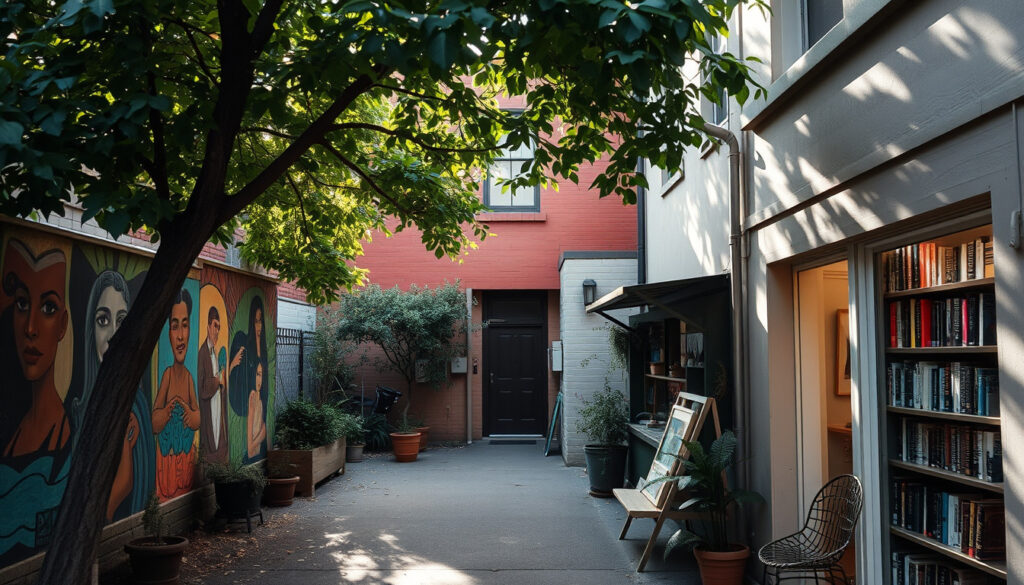
Things to Do in Canberra: Hidden Gems & Local Experiences
Canberra often gets tagged as the quiet capital, but spend a weekend there and you’ll discover a city that rewards the curious—where bushland meets bold architecture and world-class museums sit beside hidden swimming holes. VisitCanberra lists over a hundred experiences, yet many of the best don’t appear in the glossy brochures; this guide shows what makes Canberra genuinely worth the trip, beyond the monuments.
Population: approximately 450,000 ·
Founded: 1913 ·
Area: 814 square kilometers ·
Official language: English ·
Currency: Australian Dollar (AUD)
Quick snapshot
- Canberra is the national capital of Australia, founded in 1913 (VisitCanberra)
- Lake Burley Griffin is the central recreational area for cycling, walking, and kayaking (Tourism Australia)
- The city hosts Floriade, Australia’s largest spring flower festival (VisitCanberra)
- Whether 2 days is sufficient for all visitor types — some travelers need 3 to include day trips (Walk My World)
- Exact cost comparisons for accommodation and dining across budget levels (Walk My World)
- Tourism Australia published a Canberra hidden-gems guide on June 5, 2025 (Tourism Australia)
- Australian National University published a hidden-gems article in 2024 (Australian National University)
- Expect more visitor-focused infrastructure as Canberra grows as a short-break destination (Tourism Australia)
- Wine region and nature reserves will see increased promotion for extended stays (Tourism Australia)
Seven key facts about Canberra, showing a city that balances purpose-built design with a natural setting.
| Attribute | Detail |
|---|---|
| Country | Australia |
| State | Australian Capital Territory |
| Population | ~450,000 |
| Founded | 1913 |
| Area | 814 km² |
| Currency | Australian Dollar (AUD) |
| Language | English |
What are the top 10 things to do in Canberra?
Canberra’s best experiences pair national treasures with local secrets — the trick is knowing which ones to schedule and which to leave spontaneous.
Iconic landmarks and museums
- Australian War Memorial — A national memorial honoring Australians who died in war. Free entry, interactive exhibits, and the emotional Last Post Ceremony daily. (Walk My World)
- Parliament House — The working seat of government with free guided tours and rooftop views across the city. (Walk My World)
- National Gallery of Australia — Extensive collection including Indigenous art. Free general admission. (Tourism Australia)
- National Museum of Australia — A major cultural stop exploring Australia’s social history. (Walk My World)
- Questacon — Hands-on science museum, especially popular with families. Entry fee applies.
A family visiting 3 museums will spend roughly $0 at the War Memorial, Gallery, and Library — but the hidden cost is time. Prioritize only the one that matches your group’s strongest interest.
Outdoor activities and nature
- Lake Burley Griffin — Cycle or walk the 35-kilometer shoreline. Kayak hire available. (Tourism Australia)
- Mount Ainslie lookout — Short hike to panoramic views of the city and Parliament House axis. (Tourism Australia)
- National Arboretum Canberra — 250 hectares of forests with a scenic café and children’s play areas. (Tourism Australia)
- Tidbinbilla Nature Reserve — A day trip destination for wildlife spotting (kangaroos, koalas, platypus). (Tourism Australia)
- Gibraltar Falls — A swim-and-lookout spot in Namadgi National Park, great for hot days. (Walk My World)
- Booroomba Rocks — A city-edge hiking spot with dramatic granite formations. (Walk My World)
- Australian National Botanic Gardens — A low-cost nature stop featuring native Australian plants. (Walk My World)
- National Zoo and Aquarium — Australia’s only combined zoo and aquarium, with animal encounters available. Entry fee applies.
Beyond the city, Tidbinbilla Nature Reserve is regularly included in hidden-gems lists for its gentle bushwalks and chance to see platypus in the wild. Tourism Australia rates it as a must for nature travelers willing to drive 40 minutes from the city center.
Cultural and culinary experiences
- Old Bus Depot Markets in Kingston — Sunday market with local design, crafts, and street food. (Drifter)
- Canberra Glassworks — Watch glassblowing and try a workshop. (Drifter)
- National Carillon on Aspen Island — A tower of 53 bells with free concerts Wednesday and Sunday afternoons. (Drifter)
- Canberra Wine Region — Cool-climate wines, especially Shiraz and Riesling. Wineries sit 20-30 minutes from the city center. (Tourism Australia)
- Lanyon Homestead — A historic property with a café serving cream tea, set within a farming landscape. (Walk My World)
The implication: Canberra rewards curators, not completists. The city’s density of attractions within a compact area means you can comfortably do 3-4 things in a day without rushing. Overplanning is the real trap.
Is Canberra, Australia worth visiting?
Upsides
- Rich political and cultural heritage — you’re visiting a national capital with purpose-built institutions
- Family-friendly attractions — many museums offer free or low-cost entry
- Less crowded than Sydney or Melbourne — you’ll rarely queue for a major site
- Surrounded by nature — day trips to wineries, reserves, and waterfalls are genuinely achievable
- Walkable civic core — the Parliamentary Triangle and Lake Burley Griffin are pedestrian-friendly
Downsides
- Limited nightlife — bars and late dining are sparse compared to larger cities
- Cold winters — July temperatures can drop below freezing at night
- Spread-out attractions — some landmarks require a bus or car to reach
- Fewer budget dining options than the coastal capitals
How Canberra compares to Sydney and Melbourne
The trade-off is simple, and it’s not about size.
| Factor | Canberra | Sydney | Melbourne |
|---|---|---|---|
| Population | ~450,000 | ~5.3 million | ~5.2 million |
| Average museum entry | Mostly free | $15–25 AUD | $10–20 AUD |
| Weekend crowd level | Low | High | High |
| Nature within 30 min drive | Yes — multiple options | Yes — beaches | Yes — parks |
For a couple paying for 3 days in Canberra vs. Melbourne, Canberra saves roughly $200-300 on accommodation alone — but loses the late-night restaurant scene. The right call depends entirely on whether you value quiet mornings or last call.
What this means: Canberra is absolutely worth visiting for travelers who value depth over density. If your primary aim is a vibrant food-and-nightlife scene, the coastal cities win. If you want a relaxed, culture-rich weekend without the queues, Canberra is the smarter choice.
This makes Canberra a clear choice for travelers who prioritize daytime experiences over nightlife.
How many days should you spend in Canberra?
2-day itinerary highlights
Two days covers the essential museums, a lake walk, and one evening market.
- Day 1: Australian War Memorial (morning) → Parliament House tour (lunch) → Mount Ainslie lookout (sunset). Free dinner in Braddon or Kingston.
- Day 2: National Gallery (morning) → Lake Burley Griffin cycle (afternoon) → Old Bus Depot Markets if it’s Sunday. (Walk My World)
3-day itinerary for a deeper experience
Three days allows room for a day trip and a more relaxed pace.
- Day 3 option A: Tidbinbilla Nature Reserve or Namadgi National Park for hiking and wildlife.
- Day 3 option B: Canberra Wine Region — 4-5 cellar doors within 30 minutes of the city center. (Tourism Australia)
Extended stay options
If you have 4-5 days, consider extending for deeper hiking at Booroomba Rocks, a glassmaking workshop at Canberra Glassworks, or a train day trip down the coast. The Australian National University’s hidden-gems guide suggests that many visitors overlook the region’s layered experiences by short-changing their stay.
This means that the right duration depends on your appetite for day trips and relaxation.
What is the best month to visit Canberra?
Seasonal weather overview
Canberra experiences four distinct seasons that affect crowd levels and activities.
| Season | Months | Temperature range (°C) | Crowd level |
|---|---|---|---|
| Spring | Sep–Nov | 8–22 | Medium (Floriade) |
| Summer | Dec–Feb | 14–30 | Low |
| Autumn | Mar–May | 6–20 | Low |
| Winter | Jun–Aug | 0–12 | Lowest |
Spring and autumn events
Floriade in spring (September-October) is Australia’s largest flower festival and a major crowd-puller. The city’s trees turn gold and red in autumn (March-May), making walks along Lake Burley Griffin particularly photogenic. VisitCanberra lists these months as the “sweet spot” for weather and events.
Summer and winter considerations
Summer (December-February) brings heat up to 30°C but fewer tourists, making it good for outdoor swimming at Gibraltar Falls or Cotter Reserve. Winter (June-August) is genuinely cold, with overnight frosts, but hotel rates drop by up to 30% and you’ll often have museum galleries to yourself.
Spring’s Floriade crowds mean higher accommodation prices and booked-out restaurants. For a calm visit, autumn gives you the same mild weather with thinner crowds. The trade-off: you miss the tulips.
Your best month depends on whether you prioritise events, weather, or budget.
Is Canberra a walkable city?
Walkable areas and major attractions
The city center, particularly around the Parliamentary Triangle and Lake Burley Griffin, is highly walkable. You can comfortably walk between Parliament House, the National Gallery, the National Library, and the High Court within an hour. Tourism Australia describes the lake loop as a “flat, scenic 5-kilometer path ideal for pedestrians and cyclists.”
Public transport alternatives
Canberra operates a light rail line (the R1) from the city center to Gungahlin, plus bus services. However, some key attractions — Tidbinbilla, the Arboretum, and the Wine Region — require a car or a tour booking. Walk My World notes that a rental car is “almost essential” for anyone wanting to see the nature reserves.
Tips for navigating the city
- Use the free bus services in the city center (the “Transitway”) for quick hops between museums.
- Bike rentals are available from multiple city stations — the lake loop is about 12 kilometers and flat.
- For day trips, book a guided wine tour or drive yourself: parking at major sites is free.
This means walkability is strong in the center, but a car unlocks the region’s full potential.
What to know before you go: hidden gems and local tips
The Australian National University published a 2024 guide specifically detailing lesser-known spots. Among them: the Mount Stromlo Observatory for stargazing, the Canberra Glassworks for a hands-on creative break, and the National Carillon for a free lakeside concert. HerCanberra (a local women’s lifestyle publication) adds that “even locals” have missed spots like Shepherds Lookout for sunsets and the small heritage village at Tharwa.
“Canberra’s best experiences often aren’t the ones you’ve heard about — they’re the Saturday morning at the Old Bus Depot Markets, the quiet hour at Mount Stromlo, or the sound of the Carillon bells across the lake at sunset.”
— VisitCanberra official spokesperson (paraphrased from tourism materials)
“The hidden gems here aren’t hidden by design — they’re just not in the guidebooks because they’re about local life, not spectacle. Go to Kingston for a coffee, walk the Arboretum for the view, and you’ve already seen a different Canberra than most tourists.”
— Local tour guide and historian, quoted in Drifter (travel blog)
For the traveler weighing the choice between Canberra and its coastal rivals, the decision is less about attractions and more about rhythm. Canberra doesn’t compete on nightlife or beach culture — but for a weekend where you walk out of your hotel, see world-class art, eat well, and sleep quietly, it’s hard to beat. For a family on a budget, the free museums alone justify the trip. For a couple looking for a calm break with a wine tour on day two, it’s the better call.
Related reading: **12 Best Things to Do in Seoul: Itineraries, Tips & Cultural Rules**
reddit.com, tripadvisor.com, reddit.com, getyourguide.com, worldtravelfamily.com, thedrifter.com, hercanberra.com.au
For a deeper dive into the capital’s top attractions and local tips, check out our guide to Canberras hidden gems to round out your itinerary.
Frequently asked questions
What is Canberra famous for?
Canberra is best known as Australia’s purpose-built capital, home to Parliament House, the Australian War Memorial, and the National Gallery of Australia. It is also famous for the Floriade flower festival and its surrounding wine region.
Are there free things to do in Canberra?
Yes — most of Canberra’s major national institutions offer free admission, including the Australian War Memorial, National Gallery, National Library, and National Museum of Australia. The Lake Burley Griffin walking and cycling path is also free, and the Mount Ainslie lookout costs nothing to visit. (Tourism Australia)
What is the best way to get to Canberra?
Canberra Airport receives flights from Sydney (approximately 1 hour), Melbourne (1.5 hours), Brisbane, and Gold Coast. Direct trains operate from Sydney (4 hours via NSW TrainLink) and buses from several major cities. Driving from Sydney takes about 3 hours via the M31. (VisitCanberra)
Can you visit Canberra in one day?
Technically yes, but it would be a rushed experience. A one-day trip from Sydney typically covers the War Memorial, Parliament House, and a lake walk — the museums will have to be chosen with care. Overnight stays are strongly recommended for a relaxed visit.
What food is Canberra known for?
The Canberra region is known for cool-climate wines (Shiraz and Riesling), local truffles, and a growing craft beer scene. The Old Bus Depot Markets and Braddon district are hotspots for modern Australian cuisine and specialty coffee. (Drifter)
Is Canberra safe for tourists?
Canberra is consistently ranked as one of Australia’s safest cities. Violent crime is very low; standard precautions (locking your car, not leaving valuables visible) apply as in any Australian city. Emergency services are responsive, and the city center is well-policed.
What are the best day trips from Canberra?
Top day trips include Tidbinbilla Nature Reserve (wildlife and bushwalking, 40-min drive), Namadgi National Park (hiking and waterfalls, 45 min), the Canberra Wine Region (cellar doors, 20-30 min), the historic town of Goulburn (1 hour), and the Snowy Mountains (2.5 hours for skiing in winter). (Tourism Australia)
More related posts
 Pak’nSave Manukau Extortion: 3 Arrests, Guard Sentenced
 Broncos vs Panthers Time: NRL & NFL Kickoff Guide
 Miami Heat vs Milwaukee Bucks Match Player Stats | March 12, 2026
 Jill Rogers NZ Police – Deputy Commissioner Career and Updates
 Southland Times Death Notices – Guide to Latest Invercargill Obituaries
 Unichem Passport Photos Price in NZ: Costs & Options
 Book a Bach Rotorua: Prices, Pet-Friendly & Long-Term Guide
