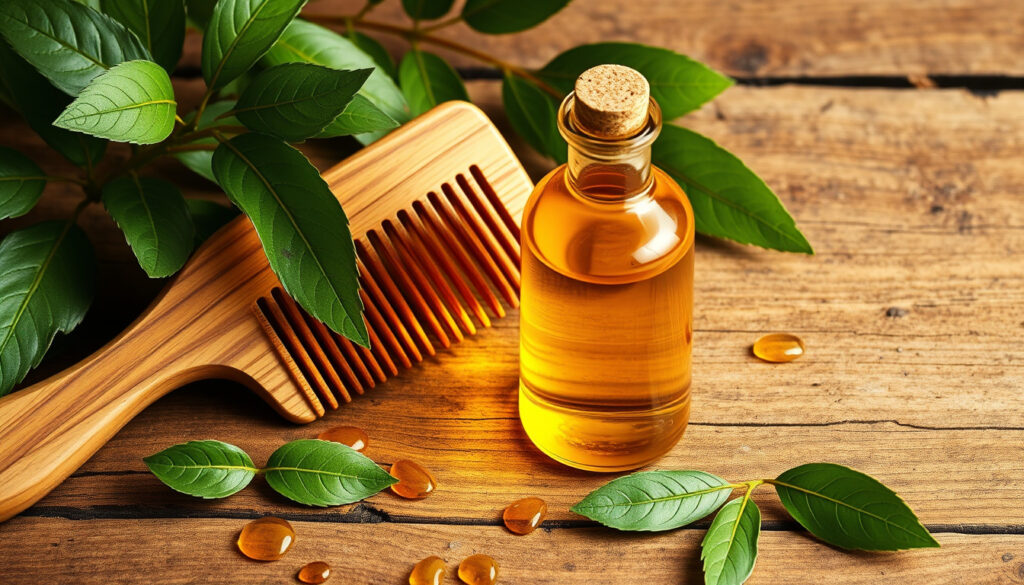
Argan Oil for Hair: Benefits, How to Use, and Side Effects
If you’ve ever stood in the beauty aisle wondering whether argan oil lives up to its reputation, you’re not alone. With 8.1 mg of vitamin E per tablespoon (54% of your daily value), this guide separates the evidence from the hype, covering benefits, how to use it, and when you might want to reach for a different oil.
Vitamin E per tablespoon: 8.1 mg (54% DV) ·
Fatty acid profile: 80% unsaturated (oleic 40–50%, linoleic 30–40%) ·
Typical shelf life: 2 years when stored in cool, dark place ·
Average price per 100ml: $10–$25
Quick snapshot
- Seals moisture into strands (Wimpole Clinic (hair clinic review))
- Reduces dryness and brittleness (Healthline (health publisher))
- Rich in essential fatty acids (PMC (lipid research review))
- Smooths cuticles (Hims (telehealth hair guide))
- Adds natural shine (Wimpole Clinic (hair clinic review))
- Tames flyaways (WebMD (consumer health guide))
- Nourishes scalp skin (Healthline (health publisher))
- May reduce dandruff when used properly (Hims (telehealth hair guide))
- Contains anti‑inflammatory vitamin E (Healthline (health publisher))
- Reflects light for glossy look (Wimpole Clinic (hair clinic review))
- Softens hair texture (WebMD (consumer health guide))
- Enhances manageability (Hims (telehealth hair guide))
Four numbers that define what you’re getting with pure argan oil:
| Property | Value |
|---|---|
| Vitamin E per tablespoon | 8.1 mg (54% Daily Value) |
| Fatty acid profile | 80% unsaturated – oleic (40‑50%), linoleic (30‑40%) |
| Shelf life | 2 years when stored in cool, dark place |
| Extraction method | Cold‑pressed from kernels of Argania spinosa fruit |
What does argan oil do for your hair?
Moisturizing and conditioning effects
- Argan oil’s high content of oleic and linoleic acids helps replenish the hair’s natural lipid barrier, locking in moisture. (PMC (lipid research review))
- Its vitamin E content (8.1 mg per tablespoon) acts as an antioxidant that protects hair from environmental damage. (Healthline (health publisher))
These properties make argan oil a go‑to for dry, brittle strands. Unlike synthetic silicones that coat the hair, argan oil penetrates the cortex to condition from within, according to a review of hair oil composition.
Reducing frizz and adding shine
- By smoothing the cuticle, argan oil reduces frizz and increases light reflection, giving hair a glossy finish. (Wimpole Clinic hair clinic review)
The effect is cosmetic but consistent: users report less flyaway and a smoother texture after regular application.
Potential for hair growth stimulation
- Some evidence suggests argan oil may promote hair growth by nourishing the scalp, but direct clinical evidence is lacking. (Wimpole Clinic hair clinic review)
While argan oil conditions the scalp, it is not a proven growth treatment. For those seeking hair regrowth, rosemary oil has stronger clinical backing.
The implication: Argan oil excels at moisturizing and beautifying hair, but its role in hair growth remains uncertain.
What are the disadvantages of argan oil for hair?
Potential for greasiness if overused
- Applying more than a few drops can leave fine hair looking greasy and limp within hours. (SEEN (dermatologist guide))
Because argan oil is mostly unsaturated fatty acids, it doesn’t evaporate quickly. Fine hair is especially prone to overload.
Allergic reactions in sensitive individuals
- Argan oil is derived from the argan nut, part of the tree nut family. Individuals with tree nut allergies may experience contact dermatitis. (Cleveland Clinic (medical guidance))
Not a cure for hair loss
- Despite marketing claims, there is no significant evidence that argan oil improves hair growth. (Wimpole Clinic hair clinic review)
While it improves the appearance of existing hair, it does not address underlying causes of hair loss such as hormonal imbalances or genetics.
Upsides
- Deeply moisturizing without heavy silicones
- Improves shine and manageability
- Rich in antioxidants that protect hair
Downsides
- Easy to overapply, especially on fine hair
- Allergy risk for tree‑nut‑sensitive people
- Does not treat hair loss despite claims
The trade‑off: Argan oil is a conditioning powerhouse but carries a real risk of greasiness and offers no proven growth benefit.
Do I put argan oil on wet or dry hair?
How to apply on wet hair for better absorption
- Start with clean, damp (not dripping) hair after a shower. (Hims (telehealth hair guide))
- Place 2–3 drops of argan oil into your palms and rub together.
- Run your hands through the mid‑lengths and ends, avoiding the roots if you have fine hair.
- Style as usual. The oil seals in moisture and reduces drying time.
Using argan oil on dry hair for finishing
- Place 1–2 drops on fingertips.
- Gently smooth over flyaways or frizzy areas.
- Use sparingly to avoid a greasy look.
How often to use argan oil
- For most hair types, 2–3 times per week is sufficient. (WebMD (consumer health guide))
Daily use may be too heavy for fine or oily hair. Adjust frequency based on your hair’s response.
The trade‑off: More is not better; the right amount depends on hair thickness and porosity.
Who should not use argan oil on hair?
People with nut allergies (tree nut)
- Argan oil comes from the argan nut, a tree nut. Allergic reactions, including contact dermatitis, have been reported. (Cleveland Clinic medical guidance)
Those with oily scalps or fine hair
- Argan oil can exacerbate oiliness and weigh down fine strands. (SEEN dermatologist guide)
Individuals with existing scalp conditions
- For conditions like seborrheic dermatitis, oils can feed yeast overgrowth. Consult a dermatologist before use. (Healthline health publisher)
The catch: What works for one hair type can backfire for another.
Which is better, argan or rosemary oil?
Two oils, two different profiles. Here’s how they stack up:
| Factor | Argan Oil | Rosemary Oil |
|---|---|---|
| Main active components | Oleic acid (40‑50%), linoleic acid (30‑40%), vitamin E | 1,8‑cineole, camphor, rosmarinic acid |
| Primary benefit | Moisturizing, conditioning, shine | Stimulating scalp circulation, potential hair growth |
| Clinical evidence for growth | Limited; no significant evidence (Wimpole Clinic) | Studied vs 2% minoxidil in androgenetic alopecia (PubMed) |
| Best for | Dry, damaged, frizzy hair | Thinning hair, scalp stimulation |
Differences in composition and benefits
Argan oil is built around moisture‑retaining fatty acids, while rosemary oil’s volatile compounds are designed to increase blood flow to the scalp. (Healthline health publisher)
Best use cases for each oil
If your hair is dry, brittle, or frizzy, argan oil is the better choice. If you are dealing with thinning hair or want to stimulate growth, rosemary oil has the stronger data. (PubMed (clinical study))
Can you use them together?
Yes — they are complementary. Use argan oil for moisture on the lengths and rosemary oil (diluted) for scalp massage. A combined approach can address both texture and growth concerns.
Why this matters: Choosing the right oil depends on your primary hair concern. Argan for condition; rosemary for growth.
Confirmed facts
- Argan oil is an effective moisturizer and conditioner for hair. (Wimpole Clinic hair clinic review)
- Contains high levels of vitamin E and essential fatty acids. (PMC lipid research review)
- Regular use reduces frizz and improves shine. (WebMD consumer health guide)
What’s unclear
- Direct evidence for hair growth stimulation is limited to anecdotal and early studies. (Wimpole Clinic hair clinic review)
- Optimal frequency and amount for different hair types are not standardized. (Hims telehealth hair guide)
- Potential for allergic reactions in tree nut allergic individuals is not fully quantified. (Cleveland Clinic medical guidance)
“Argan oil is rich in nourishing ingredients that have amazing benefits and fulfill the hair needs of many. It is a great addition to a hair care routine for anyone seeking moisture and shine.”
— Vogue beauty editor (2023 article)
“Argan oil is rich in fatty acids and antioxidants like vitamin E, which are beneficial for moisturizing and conditioning hair.”
— Healthline nutritionist (2019 review)
For anyone shopping for a natural hair oil, the choice between argan and rosemary comes down to goal. If you want softness, shine, and manageability from an oil that has decades of anecdotal and compositional backing, argan is a safe bet. If you are dealing with thinning hair and want something with clinical data, rosemary oil — possibly in combination — is the evidence‑led pick. For the average user with dry or frizzy hair, the implication is clear: reach for argan oil, but don’t ask it to regrow hair. If you have curly hair, consider pairing argan oil with a best hair dryer for curly hair to lock in moisture and define curls.
Related reading: Best Hair Dryer for Curly Hair
pmc.ncbi.nlm.nih.gov, traya.health, traya.health, int.livhospital.com
Frequently asked questions
Can argan oil be used on colored hair?
Yes. Argan oil is safe for color‑treated hair and can even help maintain moisture that chemical processes often strip away. Always apply to damp ends to avoid weighing down the color.
Does argan oil expire?
Yes. Pure argan oil typically lasts about 2 years when stored in a cool, dark place. Rancid oil will smell like old nuts and should be discarded.
Can argan oil help with dandruff?
It can help with dry‑scalp dandruff because of its moisturizing properties, but it may worsen dandruff caused by yeast overgrowth. A dermatologist can advise on your specific type.
Is argan oil safe for curly hair?
Absolutely. Curly hair tends to be drier, and argan oil’s fatty acids help seal moisture into the curl, reducing frizz and defining shape. Use sparingly to avoid buildup.
Can argan oil cause acne?
If applied to the scalp and left on the skin, argan oil can be comedogenic for some people. Those with acne‑prone skin should avoid letting it run onto the forehead or neck.
How to choose the best argan oil for hair?
Look for 100% cold‑pressed, organic argan oil with no added silicones, fragrances, or preservatives. A dark glass bottle protects the oil from light degradation.
Can argan oil be used on a daily basis?
For most hair types, daily use is too heavy. Limit to 2–3 times per week, and adjust based on how your hair responds. Fine or oily hair may need even less.
More related posts
 Real Estate Agents Compensation Case – NAR Settlement Explained
 Bed Bath & Beyond Whakatane: Still Open at New Location
 Cheap Rental Cars Auckland: Budget Deals & Hidden Fees
 Convert 1500 AUD to NZD: Exchange Rate & Travel Budget
 West Indies vs Zimbabwe 2026: Schedule, Live Stream & Results
 Happy Mothers Day Images: Free Download, Quotes & Ideas
 Serial Griller New Plymouth: Menu, Reviews & In-N-Out
 Ryan Fox U.S. Open 2026: Is He Playing? News & Results
