Things to Do in South Island – Top Adventures Hikes and Itineraries
New Zealand’s South Island delivers an extraordinary mix of dramatic fjords, snow-capped peaks, and pulse-quickening adventures. Stretching from the northern reaches near Marlborough to the windswept southern coast at Slope Point, this slender island packs more natural diversity into its frame than many continents. Travelers arriving here find themselves spoiled for choice: whether seeking the raw thrill of a bungee jump above the Shotover River or the serene contemplation of glowworms flickering in Te Anau’s underground caves.
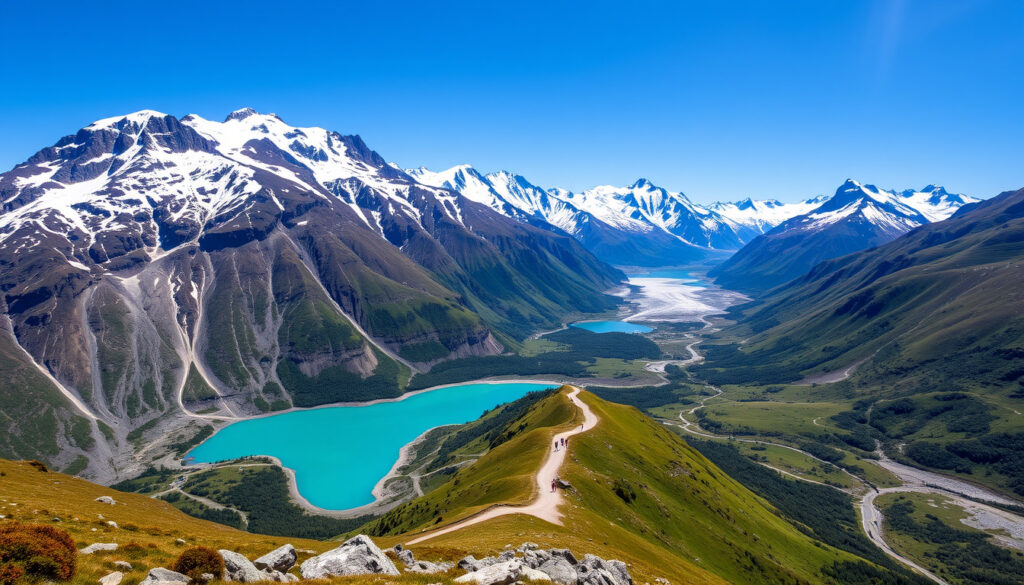
The South Island separates itself from its northern neighbor through sheer scale and spectacle. Here, the Southern Alps carve a permanent white line across the horizon, feeding glaciers that descend through rainforest on the West Coast. Offshore, fjords cut deep into ancient stone while coastal towns harbor rare penguin colonies rarely found elsewhere. For first-time visitors mapping out their journey, understanding what truly sets this landscape apart shapes every itinerary decision.
What Are the Best Things to Do in South Island NZ?
The spectrum of experiences on New Zealand’s South Island spans from heart-stopping adventure to quiet moments of natural wonder. Six destinations consistently rise to the top of travelers’ lists, each offering a distinct flavor of what makes this island special.
Hikes, cruises, and views at Milford Sound, Fiordland, and Mount Cook
Bungee jumping, jet boating, and skydiving around Queenstown
Penguin colonies, dolphin pods, and seal colonies along the coast
Maori experiences and Central Otago winery tours
- Milford Sound offers cruises where dolphins, seals, and waterfalls appear alongside Mitre Peak’s 1,692-meter face
- Queenstown serves as the adventure capital, hosting the world’s first commercial bungee operation since 1988
- The Department of Conservation manages trails ranging from five-minute walks to multi-day Great Walks
- Penguin spotting at Curio Bay in the Catlins reveals the world’s rarest penguin species
- Central Otago wineries produce world-renowned pinot noir within an hour’s drive of Queenstown
- Abel Tasman National Park combines golden beaches with kayaking routes through coastal paradise
- Glowworm caves at Te Anau provide year-round magic regardless of season
| Category | Key Information |
|---|---|
| Peak Visiting Season | December through March (summer months) |
| Minimum Recommended Stay | 7 days for focused regions, 10-14 days for full circuit |
| Daily Budget Range | $150-300 per person (mid-range travel) |
| Top Adventure Hub | Queenstown |
| Best Fjord Experience | Milford Sound (accessible year-round) |
| Top Family Destination | Te Anau (glowworm caves) combined with Abel Tasman beaches |
| Most Accessible Glacier | Franz Josef and Fox Glaciers (West Coast) |
| Dark Sky Reserve | Lake Tekapo (International Dark Sky Reserve status) |
Top Adventure Activities and Natural Wonders
Beyond the postcard views lies a landscape that rewards those willing to engage with it directly. The South Island transforms passive sightseeing into active participation, whether that means plunging toward the Kawarau River from a bungee platform or paddling a kayak through Milford Sound’s mirror-still waters.
Fjords and Coastal Wonders
Milford Sound remains the crown jewel of Fiordland National Park, a fjord carved by ancient glaciers and now filled with seawater. The journey from Te Anau to Milford itself constitutes an attraction, passing through Mirror Lakes where reflections render the ordinary extraordinary and The Chasm where water has carved cathedral-like holes through solid rock. Boat cruises navigate past waterfalls that appear and vanish with each rain shower, while lucky passengers spot New Zealand fur seals lounging on rocks and bottlenose dolphins riding the bow waves.
Doubtful Sound offers a wilder alternative requiring more effort to reach. Access involves a ferry crossing Lake Manapouri, followed by a bus journey over Wilmot Pass. Once there, visitors find deeper solitude and kayaking opportunities that Milford’s popularity cannot match. The experience rewards those willing to invest additional time and planning.
Hiking Through Ancient Landscapes
The South Island’s trail network spans from accessible ten-minute walks to demanding multi-day epics. The Routeburn Track threads through beech forest and alpine meadows connecting Mount Aspiring and Fiordland national parks, offering panorama views that justify every uphill calorie burned. Near Wanaka, the Rob Roy Glacier hike delivers ice-blue frozen drama within a manageable three-hour return journey.
Mount Cook National Park concentrates some of the island’s finest elevation. The Hooker Valley track ranks among New Zealand’s most photographed trails, crossing three swing bridges to reach a glacial lake with Mount Cook itself reflected in the water. For experienced hikers seeking altitude, the Mueller Hut route provides an overnight alpine adventure overlooking the Tasman Glacier, the longest glacier in the Southern Hemisphere outside Antarctica.
Great Walks including the Routeburn and Kepler tracks require advance booking during peak season (October through April). The Department of Conservation allocates limited hut spaces daily, and bookings open progressively throughout the year. Early planning prevents disappointment for those targeting specific dates.
Wildlife Encounters
The South Island’s coastal margins harbor wildlife populations that thrive away from dense human settlement. The Catlins region, at the island’s southeastern corner, protects Curio Bay where the world’s rarest penguin species, the yellow-eyed penguin, breeds in quiet isolation. Visitors time their visits to dawn or dusk when these timid birds commute between forest nest sites and the sea.
Okarito Lagoon near Franz Josef offers kayak tours through coastal wetlands where the world’s most localized heron species, the kotat, feeds alongside egrets and swans. The lagoon also provides Hector’s dolphin sightings—the smallest dolphin species on Earth—during calm morning excursions. Further north, Abel Tasman National Park’s kayak-waterfall-sunset combinations regularly deliver seal colonies as incidental companions along the coastal route.
Must-Do Experiences in Queenstown and Key Towns
Queenstown occupies a special position in the South Island’s geography, simultaneously serving as adventure central, wine country gateway, and base camp for some of the island’s most spectacular day trips. The town itself warrants exploration beyond its adrenaline credentials, with the adjacent neighborhoods of Arrowtown preserving gold rush history and the surrounding lakes offering different experiences as light shifts across the day.
Queenstown: Beyond the Bungee
The Shotover Canyon Swing and the Kawarau Bridge bungee site mark the origins of commercial bungee jumping in New Zealand, but Queenstown has expanded far beyond one attraction. Jet boat operators tear through the Shotover River’s narrow canyons at speeds that leave rational thought behind. Skydiving operations deliver Lake Wakatipu and the Remarkables range from a perspective available to very few. For those preferring dry-land excitement, mountain bike trails at the Queenstown Bike Park serve up descending routes through increasingly technical terrain.
The town’s position makes it an ideal launching point for day excursions. The drive to Glenorchy traces Lake Wakatipu’s northern shore, revealing the forest-fringed margins where the Routeburn Track begins. Paradise—a name shared across multiple continents—lies beyond Glenorchy, offering photographers landscape compositions that justify the journey alone. The road continues toward the Dart River valley, where guided kayak and 4WD experiences access backcountry that most visitors never see.
Supporting Towns and Their Charms
Wanaka functions as Queenstown’s calmer sibling, thirty minutes around the lake and a world away in pace. The Blue Pools walk near Makarora draws crowds with its vivid turquoise water created by glacial flour suspended in the river—summer swimming here provides Arctic-temperature relief from summer heat. The town itself centers on a beautiful lake with mountains reflected in it, flanked by boutique shops and eateries that sustain leisurely afternoons.
Christchurch, the South Island’s largest city, serves as the conventional arrival and departure point for most visitors. The Botanic Gardens stretch along the Avon River, offering green space that survived the 2011 earthquakes and the ongoing rebuild of the central city. The tram system circles downtown attractions while Riverside Market provides covered artisan food hall experiences. For those entering via the TranzAlpine Train from the west coast, Christchurch represents a journey highlight—the rail line crosses高架 bridges and traverses river gorges that put the dramatic South Island landscape on display.
Planning Your South Island Trip: Best Time and Itinerary
Timing shapes every South Island experience. The same trail that delivers perfect summer hiking through wildflower meadows becomes an avalanche risk in winter. Road passes that stay open through mild weather close when snow arrives. Understanding seasonal patterns prevents frustration and enables smarter itinerary construction.
Seasonal Considerations
Summer months from December through February bring the longest daylight hours, warmest temperatures, and full access to the island’s hiking trail network. Milford Sound bus tours operate daily, and cruise vessels run to full capacity. This popularity comes at a cost: booking ahead for accommodation, rental vehicles, and popular activities becomes essential rather than optional. Christmas through late January represents the absolute peak.
Winter from June through August transforms the South Island’s character. Queenstown’s ski fields—Coronet Peak, The Remarkables, and Cardrona—draw international visitors for Southern Hemisphere powder skiing. Fewer tourists populate the walking tracks, which remain accessible for those prepared for cold mornings and shorter daylight windows. The trade-off: glacier walks on Franz Josef and Fox operate year-round, but some high-country roads require chains or close entirely during snow events.
Shoulder seasons offer balanced alternatives. March through May delivers autumn foliage around Wanaka and Queenstown, peak waterfall flows following the snowmelt season, and noticeably thinner crowds at major attractions. September through November brings spring wildflowers and increasing daylight hours, though weather remains variable and unpredictable. South Island New Zealand Heavy Rain events occasionally disrupt travel plans across all seasons, underlining the importance of checking conditions before major drives.
The South Island’s mountainous spine creates dramatic microclimates across short distances. What begins as a clear morning in Christchurch may deliver mountain passes socked in cloud by the time travelers reach Arthur’s Pass. Building flexibility into daily plans—having backup destinations—prevents weather from derailing the overall experience.
Classic Itinerary Routes
The full South Island loop typically requires ten to fourteen days minimum for those wanting meaningful exploration rather than rushed check-box tourism. Starting from Christchurch, the route traces north to Kaikoura for whale watching before turning toward the Abel Tasman coastline. The West Coast beckons next—Punakaiki’s Pancake Rocks, then the twin glaciers at Franz Josef and Fox before pushing south toward Wanaka and Queenstown. Milford Sound and Te Anau complete the southern circuit before the return via Mount Cook and Lake Tekapo’s starry skies.
Compressed alternatives exist for limited timeframes. The Queenstown-Milford focus works well within four to five days: arrival in Queenstown, day exploring Arrowtown and local walks, then the drive to Te Anau with an evening glowworm cave tour. The following day delivers Milford Sound via the Mirror Lakes, a cruise through the fjord, and return to Te Anau or Queenstown. This focused approach sacrifices breadth for depth, allowing genuine engagement with a smaller area.
Family-Friendly Options
Traveling with children demands different priorities. Short walks replace ambitious hikes; wildlife encounters replace adventure sports; flexible schedules replace tight itineraries. The Catlins deliver magical penguin viewing if families time their visits correctly, while the glowworm caves at Te Anau captivate children across age ranges. Abel Tasman’s golden beaches provide safe swimming areas where seals occasionally join the party, creating memories that adults and children share equally.
Budget-conscious families discover that the Department of Conservation’s track network offers countless free experiences beyond the charged Great Walks. Many short walks to waterfalls, lakes, and viewpoints cost nothing beyond transportation. Campervan travel reduces accommodation expenses while enabling spontaneous detours when weather or fatigue dictate changes.
Milford Sound cruise operators, helicopter flight providers, and key accommodation properties fill quickly during summer. Travelers targeting peak December through February departures should book major components six to twelve months ahead. Last-minute arrangements remain possible for shoulder seasons but become increasingly difficult during school holiday periods, including the dates outlined in the School Holidays 2018 NZ – All Term Dates and Breaks calendar as families plan around domestic vacation periods.
A Sample 10-Day South Island Itinerary
The following route represents a balanced circuit connecting the South Island’s highlights while maintaining reasonable driving distances between overnight stops. Adjustments accommodate personal priorities and seasonal variations.
- Days 1-2: Christchurch and Kaikoura
Arrive, explore Botanic Gardens and central city rebuild, then drive north to Kaikoura for whale watching expeditions and coastal walks. - Day 3: Nelson and Abel Tasman National Park
Travel north through Nelson, arrange kayak rental or water taxi for coastal exploration, overnight near the park entrance. - Day 4: West Coast Drive
Morning beach time, then drive south through the coastal rainforest toward Punakaiki, timing the Pancake Rocks visit for high tide. - Days 5-6: Glaciers and Wanaka
Franz Josef or Fox Glacier guided walk, then the dramatic Haast Pass road to Lake Wanaka. Blue Pools walk on arrival. - Days 7-8: Queenstown and Arrowtown
Adventure activity day in Queenstown, followed by wine region touring and the gold rush town of Arrowtown the next day. - Day 9: Milford Sound
Early departure to Te Anau, then Milford Road with stops at Mirror Lakes and The Chasm, afternoon cruise, return or overnight in Te Anau. - Day 10: Mount Cook and Lake Tekapo
Drive north via Lindis Pass to Mount Cook National Park, hike Hooker Valley, then continue to Lake Tekapo for evening stargazing. - Day 11: Return to Christchurch
Final drive back to Christchurch via Geraldine and the inland route, with optional stops at the hot pools of Hanmer Springs.
What Is Established Versus What Remains Uncertain
Travel planning benefits from clear-eyed assessment of what visitors can rely upon versus what requires flexibility.
| Established Information | Elements Requiring Flexibility |
|---|---|
| Milford Sound cruises operate daily year-round with multiple operators | Specific wildlife sightings depend on season and luck |
| Bungee jumping, skydiving, and jet boats operate from Queenstown throughout the year | Weather conditions may delay or cancel adventure activities on specific days |
| Glacier walks run weather-dependent but generally operate May through September | Helicopter access may be restricted during low visibility periods |
| Glowworm cave tours operate twice daily from Te Anau | Lake cruise timing adjusts seasonally |
| Lake Tekapo maintains dark sky reserve status with year-round stargazing tours | Specific astronomical events depend on lunar calendar |
| DOC Great Walks require advance hut booking during peak season | Track conditions after heavy rain events may temporarily close sections |
Why the South Island Stands Apart
New Zealand’s geography creates a nation where natural experiences rival anywhere on Earth. The South Island amplifies this distinction through concentrated drama: the Southern Alps’ peaks crowd together along a spine that bisects the island, placing glacier-carved landscapes within an hour’s drive of vineyards producing world-class wines. This compression rewards travelers who lack months to explore but possess limited time windows for genuine immersion.
The Department of Conservation’s stewardship philosophy shapes the visitor experience across the entire island. Trails are maintained, huts are serviced, and wildlife populations are protected through managed viewing protocols. This infrastructure enables independent exploration that would be impossible in less organized destinations, even as it occasionally means accepting that some places cannot support unlimited visitor numbers.
Maori culture threads through the South Island experience more subtly than in some North Island regions, but guided wine tours through Central Otago incorporate cultural storytelling alongside the pinot noir tastings. Abel Tasman National Park derives its name from the Dutch explorer whose arrival preceded significant Maori settlement, yet the park’s beaches and coastal trails maintain connections to iwi (tribal) communities whose presence predates colonial arrivals.
What Travelers and Experts Say
Official tourism bodies consistently emphasize the South Island’s natural purity as its primary draw. Tourism New Zealand, the country’s official promotion agency, positions the islands as destinations where landscapes remain unspoiled by mass development, and where encounters with nature carry genuine meaning rather than manufactured novelty. This positioning reflects the actual experience for travelers who invest time in understanding what they encounter.
The Department of Conservation’s field staff, who maintain trails and manage visitor facilities across Fiordland, Abel Tasman, Mount Cook, and Westland Tai Poutini national parks, offer practical guidance that shapes informed travel decisions. Their advisories regarding track conditions, weather considerations, and wildlife viewing protocols carry authority derived from direct daily experience.
Travelers returning from South Island visits consistently highlight the quality of personal encounters alongside the landscapes. A boat captain who pauses the cruise to point out a mother dolphin with her calf creates a memory that photograph galleries cannot match. A DOC ranger whose trail commentary reveals how the forest regenerates after disturbance provides context that elevates what might otherwise pass as pleasant exercise.
The Bottom Line
New Zealand’s South Island rewards travelers who approach it with realistic expectations and flexible plans. The adventure activities around Queenstown deliver genuine thrills backed by decades of operational experience. The national parks preserve landscapes that justify international flights for photographers, hikers, and nature enthusiasts alone. The coastal wildlife colonies—penguin colonies, seal colonies, dolphin encounters—connect visitors to ecological realities that exist nowhere more accessibly.
Those investing ten to fourteen days experience a full circuit that leaves lasting impressions. Compressed itineraries sacrifice breadth for depth but deliver genuine value within shorter timeframes. Families, couples, solo adventurers, and groups of friends each find their own entry points into what this island offers—provided they arrive prepared for weather variability, seasonal differences, and the simple reality that some places require significant travel effort to reach.
Frequently Asked Questions
What are the main things to do in South Island?
The main attractions include Milford Sound cruises, bungee jumping and adventure activities in Queenstown, hiking trails in Fiordland and Mount Cook national parks, wildlife viewing in the Catlins, winery tours in Central Otago, and glowworm cave tours in Te Anau.
Are there free activities available on the South Island?
Yes, the Department of Conservation maintains hundreds of free walking tracks ranging from short walks to multi-day Great Walks. Beaches, many beaches, lakes, and viewpoints cost nothing beyond transportation. Penguin viewing at Curio Bay and wildlife spotting along various coastal areas require no admission fees.
What activities work well for families with children?
Glowworm caves at Te Anau, short walks like the Blue Pools and Hooker Valley, penguin spotting at Curio Bay, beaches at Abel Tasman, and wildlife boat cruises appeal across age ranges. Queenstown’s winter snow play provides seasonal alternatives for colder months.
What winter activities are available on the South Island?
Queenstown offers ski fields including Coronet Peak and The Remarkables. The glaciers at Franz Josef and Fox operate year-round. Indoor options include winery tours, local museums, and the Christchurch Botanic Gardens. Snow chains may be required for mountain passes during winter months.
How many days do I need for the South Island?
A focused regional visit of four to five days suits those concentrating on one area like Queenstown and Milford Sound. A comprehensive circuit requires ten to fourteen days minimum for meaningful exploration across multiple regions.
More related posts
 Car Seat Covers NZ: Best Options, Reviews & Buying Guide
 How to Use Magnet Links: Step-by-Step Guide
 When is Mother’s Day in NZ? 2025, 2026 Dates & Guide
 New Zealand vs Australia Today Match: Time, Channel, Live Stream
 Boric Acid Suppositories NZ: Safety, Dosage & Where to Buy
 Mumbai Indians vs Delhi Capitals Match Scorecard 2026
 Ferrari for Sale NZ: 2025 Prices, Models & Buying Guide
