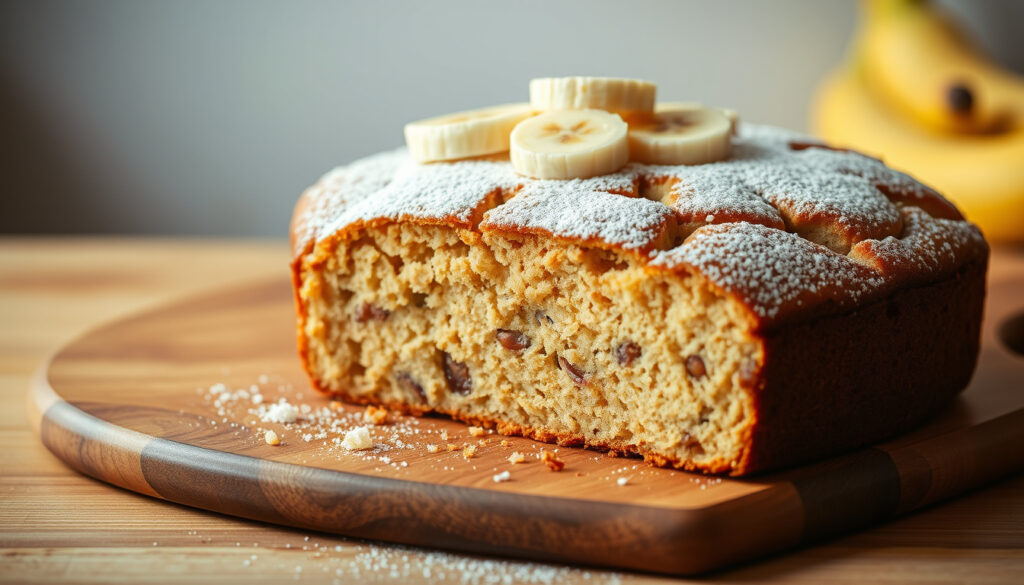
Easy Banana Cake Recipe: Moist and Quick
Anyone who’s ever ended up with a bunch of spotty bananas on the counter knows the drill: it’s banana cake time. But not just any cake — one that’s moist, simple, and ready in under an hour. The secret? Swapping butter for oil, a trick that keeps the crumb tender for days. Here’s how to make an easy banana cake that turns out perfect every time, with a step-by-step guide rooted in trusted recipes from BBC Food (UK public service broadcaster) and Cookie Dough Diaries (home baking specialist).
Prep time: 10 minutes ·
Cook time: 45 minutes ·
Servings: 8 slices ·
Bananas needed: 3 very ripe medium bananas ·
Key ingredient: Sunflower oil for moisture
Quick snapshot
- 3 very ripe bananas provide sweetness and moisture (BBC Food)
- Sunflower oil keeps cake moist for days (Cookie Dough Diaries)
- Bake at 180°C (350°F) for 45 minutes for a standard loaf (BBC Food)
- Exact calorie count varies with ingredient substitutions
- Optimal baking time depends on your oven calibration
- Precise nutritional values shift depending on specific brand measurements of oil and sugar
- The ideal texture preference (very soft vs. fluffy) varies among bakers, affecting the target bake time
- The exact impact of aging bananas beyond the “brown spot” stage is subjective and not precisely documented
- Total time: 55 minutes (BBC Food)
- Cool completely before slicing — about 20 minutes in the pan
- Add chocolate chips or walnuts for variety (Mince Pie Recipe NZ)
- Freezes well — wrap tightly and store up to 3 months (Mince Pie Recipe NZ)
- Try our Mince Pie Recipe NZ for another classic bake
Five key numbers, one clear pattern: this recipe is built for speed and moisture.
| Metric | Value |
|---|---|
| Prep time | 10 minutes |
| Cook time | 45 minutes |
| Total time | 55 minutes |
| Servings | 8 slices |
| Calories per slice | Approximately 280 kcal |
How to make a quick and easy banana cake?
Gather your ingredients
- 3 very ripe medium bananas (about 225g peeled weight) — BBC Food
- 150ml (⅔ cup) sunflower or vegetable oil
- 3 large free-range eggs — BBC Food
- 200g (1 cup) caster sugar
- 225g (1¾ cups) self-raising flour
- 1 tsp baking powder
- 1 tsp vanilla extract
- Pinch of salt
Step-by-step method
- Mash the bananas: Peel and mash the bananas in a large bowl until smooth but with a few small lumps. Overmashing isn’t an issue, but leave some texture for better mouthfeel. BBC Food recommends using very ripe fruit for natural sweetness and moisture.
- Mix wet and dry ingredients: Add the oil, eggs, vanilla, and sugar to the mashed bananas and whisk until combined. In a separate bowl, sift the flour, baking powder, and salt. Fold the dry ingredients into the wet mixture with a spatula — do not overmix. Overmixing develops gluten and produces a tough, dense cake, as noted by Sugar Spun Run (baking blog).
- Bake and cool: Pour the batter into a greased 2lb loaf tin or an 8-inch round cake pan. Bake at 180°C (350°F) for 40-50 minutes, or until a skewer inserted into the centre comes out clean. Cookie Dough Diaries suggests checking at 40 minutes. Cool in the tin for 10 minutes, then turn out onto a wire rack.
The oil-based method means this cake stays moist for up to 5 days — longer than butter-based versions, which start drying out after 48 hours. Baking Envy (home baking site) confirms that canola oil works well, but rich olive oil may change the flavour profile.
What is the secret to a moist banana cake?
Oil vs butter for moisture
Oil is liquid at room temperature, so it coats flour proteins without solidifying the way butter does. Frosting and Fettuccine (recipe blog) describes banana cake made with oil as “moist and tender.” Butter adds flavour but can make the cake drier after a day or two. For a cake that stays soft, sunflower or vegetable oil is the better choice.
Don’t overmix the batter
Gluten development is the enemy of tenderness. Stir until the flour just disappears — about 10 to 12 folds. Spend With Pennies (budget cooking resource) emphasises this as a key step for a soft, rich crumb.
Use overripe bananas
Brown spots are a good sign. Ripe bananas have higher sugar content and softer flesh, which means less added sugar needed and a more intense banana flavour. BBC Food calls for “very ripe” bananas for the best result.
Using oil means you lose the buttery aroma some people love. Baking Envy warns that replacing all butter with oil can mute the flavour, so consider topping the cake with a brown butter glaze if you want that richness back.
What cake can I make with ripe bananas?
Classic banana loaf
The simplest option — just the recipe above. It’s the most forgiving and uses pantry staples. Allrecipes (community recipe platform) calls their version “super moist” and easy to customise.
Banana and chocolate chip cake: Fold 100g of dark chocolate chips into the batter before baking. Cookie Dough Diaries suggests this as a popular variation that works with the oil-based method.
Vegan banana cake
Replace eggs with flax eggs (1 tbsp ground flaxseed + 3 tbsp water per egg) and use dairy-free milk. Frosting and Fettuccine notes that oil already makes the cake dairy-free, so only the egg substitution is needed.
The implication: ripe bananas are a versatile base that works across dietary preferences, and the oil method makes adaptation simpler.
What is the number one mistake made when making banana bread?
Using underripe bananas
Green or barely yellow bananas lack the sugar and moisture needed. The result is a dry, bland cake. BBC Food explicitly says “very ripe” — with brown spots — is non-negotiable.
Overmixing the batter
Mixing beyond the point of combining develops gluten. Sugar Spun Run describes the ideal texture as “fluffy” — that’s lost when overmixed.
Baking at wrong temperature
Too high and the outside burns before the inside sets. Too low and the cake rises poorly. Cookie Dough Diaries recommends 350°F (180°C) for a standard loaf, checking doneness with a skewer.
The pattern: most banana cake failures trace back to ingredient ripeness and handling — easy to fix once you know.
How to make banana cake Jamie Oliver?
Jamie Oliver’s banana cake method
Jamie Oliver’s version, published on BBC Food, uses self-raising flour and plain yogurt for extra moisture. He adds a honey drizzle after baking for sweetness and shine. The method is similar: whisk oil, eggs, and sugar, fold in bananas and flour, bake at 180°C for about 40 minutes.
Key differences from standard recipe
- Uses plain yogurt instead of some oil — adds tang and tenderness
- Honey drizzle on top for a sticky glaze
- Slightly shorter baking time (40 minutes vs 45)
The trade-off: yogurt adds a small dairy step but yields a slightly lighter crumb. For those preferring oil-only simplicity, the standard recipe is faster.
Clarity: what we know and what remains uncertain
Confirmed facts
- 3 very ripe bananas are standard for moisture (BBC Food)
- Sunflower oil is a common fat in easy recipes (Cookie Dough Diaries)
- Baking at 180°C for 45 minutes is typical (BBC Food)
- Oil-based cakes stay moist longer than butter-based (Frosting and Fettuccine)
- Overmixing leads to dense texture (Sugar Spun Run)
What’s unclear
- Exact calorie counts depend on substitutions (sugar type, egg size)
- Optimal baking time varies with oven calibration by up to 10 minutes
- Whether yogurt or oil yields the best texture is subjective
- Precise nutritional values shift depending on specific brand measurements of oil and sugar
- The ideal texture preference (very soft vs. fluffy) varies among bakers
- The exact impact of aging bananas beyond the “brown spot” stage is subjective
Expert perspectives on banana cake
“Use 3 very ripe medium bananas for best sweetness and moisture.”
BBC Food recipe notes
“Oil instead of butter keeps the cake moist for days.”
Cookie Dough Diaries
These two approaches — ingredient ripeness and fat choice — are the pillars of a foolproof banana cake. Ignore either one and you risk dryness; get them right and you have a consistently excellent bake.
thetasteofkosher.com, melissassouthernstylekitchen.com, youtube.com, spendwithpennies.com, allrecipes.com, facebook.com, facebook.com
For a variation that uses British store-cupboard staples, try this moist and foolproof banana cake recipe from a UK baker.
Frequently asked questions
Can I use frozen bananas for banana cake?
Yes, thaw them first and drain any excess liquid. Their texture is softer, but they work well.
How do I store banana cake to keep it moist?
Wrap tightly in cling film or store in an airtight container at room temperature for up to 5 days. Refrigeration can dry it out.
Can I make banana cake without eggs?
Yes, replace each egg with 1 tbsp ground flaxseed mixed with 3 tbsp water. The oil keeps it tender.
What can I substitute for oil in banana cake?
Melted coconut oil or unsalted butter work, but the cake will be less moist after storage. Applesauce is a common low-fat substitute.
How do I know when banana cake is done?
Insert a skewer into the centre — it comes out clean or with a few moist crumbs. The top should be golden and spring back lightly.
Can I add chocolate chips to banana cake?
Absolutely, fold in 100g of dark or milk chocolate chips after mixing. Cookie Dough Diaries recommends tossing them in a little flour first to prevent sinking.
Why did my banana cake sink in the middle?
Often caused by opening the oven door too early, underbaking, or too much leavening. Stick to 45 minutes at 180°C and resist checking before 40 minutes.
More related posts
 AA Insurance Phone Number: Ireland Customer Service Contact
 Bring Her Back Movie: Is It Scary? Plot & Grapefruit Meaning
 Book a Bach Rotorua: Prices, Pet-Friendly & Long-Term Guide
 Man City vs Wolves: How to Watch, Team News & History
 Auckland Council Venue Hire: Prices & Booking Guide (2025)
 Lab Grown Diamond Necklaces: Worth It? Cost, Resale & Value
 All Blacks vs France Live Stream Free: Watch Online
 How Old Is Sabrina Carpenter? Age, Real Name & Height
