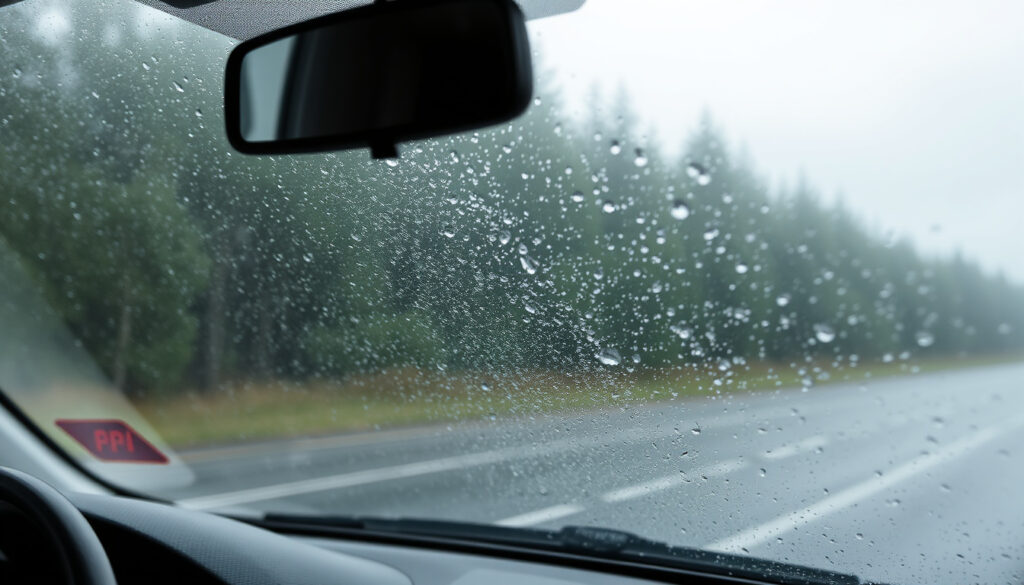
How to Stop Car from Fogging Up – Proven Fixes and Prevention Tips
Foggy car windows represent one of the most common frustrations for drivers, obscuring visibility at the worst possible moments. Whether navigating through heavy rainfall, dealing with freezing winter temperatures, or simply trying to maintain a clear view of the road, condensation buildup on automotive glass creates genuine safety concerns. Understanding the underlying mechanisms that cause this phenomenon, combined with proven defogging techniques and preventive strategies, empowers drivers to address the issue effectively in any weather condition.
The science behind window fogging centers on moisture and temperature differentials that occur naturally within vehicle cabins. When warm, humid air inside your car contacts cooler glass surfaces, the moisture in that air loses energy and transforms from an invisible vapor into tiny water droplets that coat the surface. This condensation process happens continuously whenever conditions favor moisture release, making the problem recurring rather than one-time. The good news is that multiple approaches exist for both rapid clearance and long-term prevention.
Why Do Car Windows Fog Up?
Condensation occurs because warm air possesses greater moisture-holding capacity than cold air. When humid cabin air generated through normal breathing, wet clothing, or moisture from rain-soaked passengers encounters glass surfaces at a lower temperature, the moisture releases and forms visible fog. This fundamental principle of physics explains why the problem intensifies during specific conditions, particularly during colder months and in humid environments where moisture levels remain elevated throughout the drive.
Dirt accumulated on glass surfaces exacerbates the problem significantly. Particles trapped on windows create micro-textures that provide ideal surfaces for moisture to cling to, effectively lowering the temperature at which condensation begins. Recirculation modes in vehicle ventilation systems compound the issue by trapping humid air inside the cabin rather than exchanging it with drier outside air. In cold weather conditions, heating systems initially increase air temperature and moisture capacity before that warmed air eventually reaches cold glass surfaces, temporarily worsening fogging before improvement occurs.
Key Factors That Trigger Fogging
- High interior humidity levels exceeding 70% dramatically increase fogging risk
- Wet clothing, umbrellas, or damp items introduce additional moisture into the cabin
- Cold weather conditions create larger temperature gaps between interior air and glass
- Rainy conditions allow moisture to enter through open doors, windows, or wet passengers
- Dirty or contaminated glass surfaces provide nucleation sites for condensation
- Recirculation mode traps humid air rather than exhausting it
Understanding the Humidity Gradient
The humidity gradient refers to the difference in moisture concentration between air inside your vehicle and the air immediately adjacent to the glass surface. When this difference becomes steep enough, moisture spontaneously condenses to restore equilibrium. Matching interior temperature closer to exterior conditions reduces this gradient and minimizes fogging tendency, though achieving comfort while doing so proves challenging during extreme weather.
| Factor | Impact on Fogging |
|---|---|
| Humidity Level | Over 70% significantly increases fog risk |
| Ideal Defog Temperature | Warm air between 20-25°C |
| Common Myth | Cracking windows always works (not always effective) |
| Filter Maintenance | Replace cabin filter annually for optimal airflow |
How to Defog Car Windows Fast
When fog develops rapidly and visibility becomes compromised, drivers need effective immediate solutions. The fastest defogging approach combines multiple ventilation settings simultaneously rather than relying on any single technique. Turning heat to maximum temperature increases the air’s moisture-holding capacity, while activating the air conditioning forces air over cooling coils where moisture condenses and drains away. These systems work together to remove humidity from cabin air while heating remaining air to maintain passenger comfort.
Disabling recirculation mode proves essential during defogging. Recirculation pulls air from inside the vehicle and passes it through the heating and cooling systems repeatedly, which means humid air simply cycles around rather than being replaced with drier outside air. Switching to fresh air mode introduces exterior air that naturally contains lower humidity levels, accelerating the defogging process considerably. Cracking windows briefly creates an additional pathway for humid air to escape and fresh air to enter.
Using Your Defroster Effectively
The defroster setting directs warm air specifically toward windshield and rear glass surfaces, making it the most direct approach for visibility restoration. Most vehicles include separate controls for front and rear defrosters, with rear defrosters typically using electrical heating elements rather than air circulation. Directing warm air at glass surfaces increases their temperature, which raises the dew point threshold and prevents additional condensation from forming while simultaneously evaporating existing moisture.
Resisting the urge to wipe fog with clothing or a cloth causes lasting problems. Wiping transfers moisture around the surface rather than removing it from the cabin, and fibers left behind create streaks that become highly visible when sunlight or oncoming headlights strike the glass at angles. These streaks impair night vision significantly and prove difficult to remove completely once embedded into glass surface contamination. Allowing the defroster system to evaporate moisture naturally produces superior optical clarity.
Quick Fixes for Different Weather Conditions
Cold weather defogging requires the full combination of heat, air conditioning, fresh air mode, and directed airflow. The seemingly counterintuitive step of activating cooling while heating serves a specific purpose: the AC system actively removes moisture from air passing through it, and that dehumidified air then gets reheated by the heater core before entering the cabin. This combination works faster than heat alone because drier air can absorb and evaporate existing fog more efficiently.
Warm, humid conditions present a different challenge because outside air already contains high moisture levels. In these situations, lowering the cooling intensity while maintaining some dehumidification, turning off recirculation, and using windshield wipers for external fog proves most effective. External fog forms when humid outside air contacts air-conditioned glass, and wipers physically remove this moisture. Interior fog in warm conditions typically results from passengers exhaling humid air or wet items inside the cabin.
Combining maximum heat with air conditioning activated, recirculation disabled, fresh air mode engaged, and directed airflow toward glass surfaces delivers the quickest results in most conditions. This approach removes existing moisture while preventing new condensation from forming.
How to Prevent Car Windows from Fogging Up
Prevention approaches address fogging from multiple angles, targeting moisture sources, glass surface conditions, and environmental factors. Regular window cleaning represents the foundation of any prevention strategy because contamination on glass surfaces provides nucleation sites where moisture condenses more readily. Using appropriate cleaning solutions formulated for automotive glass, particularly avoiding ammonia-based products on tinted windows, removes both visible grime and invisible contamination that worsens fogging.
Moisture management inside the vehicle prevents humidity from building to problematic levels in the first place. Removing wet umbrellas, drying wet clothing before entering the vehicle, and avoiding open containers of liquid reduces the moisture load that ventilation systems must handle. Parking in garages or covered areas during precipitation prevents water from entering the cabin through open doors, and cracking windows slightly before entering a vehicle after rain allows accumulated interior moisture to dissipate before it condenses on cold glass.
Long-Term Prevention Strategies
Moisture absorbers placed inside the vehicle provide ongoing humidity control without requiring active ventilation. Commercial desiccant products work effectively, as do improvised solutions such as baking soda or silica-based cat litter placed in porous containers like socks. These materials absorb moisture from cabin air, reducing overall humidity levels and minimizing the risk of condensation forming on glass surfaces during overnight parking or extended drives.
Matching interior temperature more closely to exterior conditions reduces temperature differentials that drive condensation. While full temperature matching sacrifices comfort during extreme weather, gradual acclimatization helps reduce the severity of fogging when transitioning between climate zones. Vehicles equipped with automatic climate control systems offer programmable settings that gradually adjust temperature rather than maintaining extreme differentials.
Seasonal Prevention Approaches
Winter conditions create the most challenging fogging circumstances due to extreme temperature differentials and wet clothing worn by passengers. Pre-warming vehicles before passengers enter reduces the initial condensation surge, and using seat heaters rather than full cabin heating maintains comfort while reducing overall air temperature. Ensuring door and window seals remain intact prevents cold air infiltration that creates localized cold spots on glass surfaces.
Rainy conditions require different prevention approaches focused on moisture exclusion and rapid removal. Floor mats designed for water absorption collect runoff from wet footwear, preventing moisture from evaporating into cabin air. Running defrosters briefly before passengers enter evaporates any moisture already present, and maintaining clear drainage channels around door seals prevents water from accumulating in areas where it can evaporate into the cabin atmosphere.
A solution of white vinegar mixed with water in equal parts provides an effective, inexpensive glass cleaner that removes contamination while leaving little residue. Apply with a microfiber cloth, allow to sit briefly, and buff dry for best results on both interior and exterior glass surfaces.
Best Products and DIY Solutions for Anti-Fog
Commercial anti-fog products create hydrophilic coatings on glass surfaces that cause moisture to spread into a transparent film rather than beading into opaque droplets. These products work by altering the surface tension of water, allowing fog particles to coalesce into thin, transparent layers that maintain visibility. Rain-X Anti-Fog represents one of the most widely available options, requiring application according to product instructions and periodic reapplication to maintain effectiveness.
Multiple household items provide anti-fog properties through different mechanisms. Petroleum jelly creates a physical moisture barrier when applied in thin layers to interior glass surfaces before driving. Shaving cream, when applied and wiped off with a dry cloth, leaves behind surfactant residues that reduce water adhesion. Baby shampoo mixed with water functions similarly to commercial products by altering surface tension properties. Potatoes contain starch that forms hydrophilic layers when rubbed on glass.
DIY Anti-Fog Application Methods
| Method | Application | How It Works |
|---|---|---|
| Vaseline/Petroleum jelly | Rub thin layer on windows before driving | Creates moisture barrier on glass |
| Shaving cream | Apply, spread, wipe off with dry cloth | Leaves anti-fog residue |
| Baby shampoo | Mix with water, apply to glass | Surfactant reduces water adhesion |
| Potato | Rub cut potato on glass | Starch forms hydrophilic layer |
| Hand sanitizer | Wipe on glass | Alcohol disrupts water beading |
| Cat litter (crystal type) | Place in sock near windows | Absorbs ambient moisture |
Commercial Product Options
Rain-X Anti-Fog and similar products available at automotive retailers provide longer-lasting results than most DIY alternatives. Application involves spraying the product on interior glass surfaces, wiping to distribute evenly, and buffing with a dry towel to remove excess material. These coatings typically require reapplication every few weeks or after glass cleaning, depending on usage patterns and environmental exposure.
Moisture absorber products provide continuous humidity control without requiring repeated application. These devices, ranging from small containers designed for vehicle cup holders to larger units suitable for garage storage, contain hygroscopic materials that absorb moisture from surrounding air. Replacing or recharging these absorbers periodically maintains their effectiveness throughout the driving season.
Ammonia-based glass cleaners should never be used on tinted windows, as ammonia can degrade the adhesive layers used in window tinting films. Always verify cleaning product ingredients before applying to tinted glass surfaces.
Troubleshooting Persistent Car Fogging Issues
When defogging systems fail to resolve fogging despite correct operation, deeper issues within the vehicle may be responsible. Recirculation mode stuck in the on position prevents fresh air from entering the cabin, trapping whatever humidity exists inside regardless of defroster operation. Checking ventilation control settings and verifying that the system responds to mode changes helps identify whether a mechanical or electrical issue affects recirculation function.
A clogged or restricted cabin air filter limits fresh air intake regardless of fan speed or mode selection. When air exchange cannot occur efficiently due to filter restriction, humidity accumulates inside the cabin because moist interior air has nowhere to escape. Replacing cabin air filters annually or more frequently in dusty environments or areas with significant pollen exposure restores proper ventilation function and improves defogging performance.
Hidden Moisture Sources
Persistent fogging not explained by weather conditions or passenger moisture load often indicates hidden water intrusion within the vehicle structure. Plugged sunroof drains allow water to channel into interior areas rather than draining externally, with accumulated moisture slowly evaporating into cabin air. Torn door vapor barriers permit water to enter door panels where it accumulates and subsequently evaporates during cabin heating cycles.
Leaking window seals allow water entry during precipitation, particularly affecting vehicles with older weather stripping or those that have experienced door panel damage. Water entering through seal gaps typically drains through designated pathways, but accumulated moisture in door cavities or floor areas creates humidity sources that resist normal ventilation removal. Professional inspection can identify these hidden sources through component removal and visual inspection.
When to Seek Professional Help
Fogging that persists regardless of weather conditions, affects only one area of the vehicle, or occurs alongside musty odors suggests conditions requiring professional diagnosis. HVAC system malfunctions affecting humidity removal, water intrusion requiring structural repair, or electrical issues affecting defroster operation all benefit from qualified technician assessment. For those interested in exploring weather-related driving conditions, recent coverage of South Island New Zealand Heavy Rain illustrates how extreme precipitation affects vehicle visibility and safety.
Vehicle fogging during otherwise normal weather conditions may indicate cabin temperature sensor malfunctions affecting automatic climate control accuracy. When sensors provide incorrect readings, the system may not engage dehumidification functions appropriately for actual conditions. Professional diagnostics can identify sensor issues and calibration problems that contribute to persistent fogging despite otherwise functional systems.
Defogging Timeline: What to Expect
Understanding the expected timeline for defogging helps drivers manage expectations and apply appropriate techniques for their timeframe. Immediate defogging using combined climate controls typically requires two to four minutes for visibility restoration, depending on initial humidity levels, glass temperature, and system capacity. Waiting longer between starting the vehicle and driving allows more complete defogging before departure.
- Immediate defogging (0-2 minutes): Activate heat, AC, fresh air mode, and direct airflow toward glass. Most systems achieve adequate visibility within this window under moderate conditions.
- Short-term during driving: Continue combined climate controls while monitoring visibility. Environmental changes such as entering tunnels or parking structures may trigger recurring fogging requiring ongoing management.
- Long-term maintenance: Regular window cleaning, moisture absorber replacement, and filter inspection prevent severe fogging episodes and reduce defogging time requirements.
Winter conditions may extend the immediate defogging window to five minutes or longer due to extreme temperature differentials and cold glass surfaces. Drivers should allow adequate defogging time before driving, particularly in parked vehicles or garage environments where temperature conditions favor severe fogging. Planning additional time during cold weather ensures adequate visibility before departure.
What Works: Certainty vs. Uncertainty
Certain aspects of window fogging have established scientific foundations with well-understood mechanisms and predictable responses to treatment. The physics of condensation based on temperature and humidity relationships remains consistent across all vehicle types and conditions. The effectiveness of combining heat with dehumidification through air conditioning represents established thermal dynamics that reliably produce results regardless of vehicle make or model.
- Condensation physics (temperature + humidity)
- AC dehumidification effectiveness
- Clean glass reduces fogging tendency
- Recirculation mode traps humidity
- DIY product longevity varies significantly
- Brand product efficacy differs
- Individual vehicle characteristics affect results
- Environmental factors create unpredictable outcomes
DIY solutions offer variable results depending heavily on application method, environmental conditions, and individual expectations. Products that work well in one set of circumstances may underperform in others, particularly when temperature ranges or humidity levels differ from optimal testing conditions. Testing multiple approaches helps identify the most effective solution for specific driving patterns and local climate conditions.
The Science Behind Window Fogging
Understanding the underlying thermodynamics helps drivers make informed decisions about prevention and defogging approaches. The dew point temperature represents the specific temperature at which air becomes saturated and condensation begins. When glass surface temperature falls below the dew point of surrounding air, condensation forms regardless of other factors. This relationship means that both reducing air humidity and raising glass temperature effectively prevent or resolve fogging.
Vehicles present unique challenges because glass surfaces experience temperature extremes that interior air does not. During winter parking, glass temperatures can drop significantly below interior air temperature, creating conditions where even relatively dry interior air produces condensation when passengers first enter and warm the air through breathing. The thermal mass of glass means temperature changes occur slowly, requiring sustained defogging effort to bring glass temperatures above dew point.
Expert Recommendations and Sources
Automotive industry sources consistently emphasize the combined approach of heat and air conditioning for fastest defogging results. This recommendation appears across multiple manufacturer guidelines and insurance company safety resources, establishing it as the industry-standard approach rather than a single-source technique. The seemingly counterintuitive step of cooling while heating serves the specific purpose of moisture removal through the air conditioning system.
Turn heat to maximum, activate AC to dehumidify the air, disable recirculation to bring in drier outside air, and crack windows briefly for air exchange. These methods work variably by conditions.
— Automotive safety and maintenance resources
Regular maintenance including cabin air filter replacement and window cleaning receives consistent recommendation across expert sources. While specific product recommendations vary, the fundamental principle of moisture management through ventilation, absorption, and surface preparation remains constant. For additional cooking-related insights, the guide on How to Bake Sweet Potatoes demonstrates how temperature and time management principles apply across different contexts.
Summary and Action Steps
Addressing foggy car windows requires understanding both immediate defogging techniques and long-term prevention strategies. The most effective immediate approach combines maximum heating with activated air conditioning, fresh air mode, and directed airflow toward glass surfaces. Regular window cleaning, moisture management through absorption products, and proper ventilation system maintenance prevent severe fogging from developing. When fogging persists despite correct operation, hidden moisture sources or ventilation system issues warrant professional inspection.
Drivers experiencing persistent fogging should begin with the combined defogging approach, then address prevention through window cleaning and moisture absorber installation. Those whose fogging continues after implementing standard approaches should inspect for recirculation system problems and cabin filter restrictions before investigating hidden moisture sources within vehicle structure.
Frequently Asked Questions
How do I stop my car windows from fogging up?
Activate maximum heat combined with air conditioning, disable recirculation mode, and direct airflow toward glass. This combination removes moisture while preventing new condensation from forming.
What household items can defog car windows?
Vaseline, shaving cream, baby shampoo, and potatoes provide temporary anti-fog properties through different mechanisms including barrier creation, surfactant residues, and starch hydrophilic layers.
How do I clean windows to reduce fog?
Use equal parts white vinegar and water or ammonia-free automotive glass cleaners. Apply with microfiber cloth, allow to sit briefly, then buff dry for best results on both interior and exterior surfaces.
Does turning on AC actually help stop car fogging?
Yes, activating air conditioning dehumidifies air by condensing moisture over cooling coils before that air gets reheated. This process removes humidity faster than heating alone.
Can cat litter help prevent car fogging?
Silica-based or non-clumping cat litter placed in porous containers near windows absorbs ambient moisture from cabin air, reducing overall humidity levels that contribute to fogging.
Why does my defroster not stop the fogging?
Recirculation mode may be engaged, trapping humid air inside. Also check for clogged cabin air filters that restrict fresh air intake. Hidden moisture sources within the vehicle structure can also overwhelm defroster capacity.
How often should I apply anti-fog products?
Commercial products typically require reapplication every few weeks or after glass cleaning. DIY solutions may need more frequent application depending on conditions and effectiveness of the specific method used.
Why does my car fog up more in winter?
Extreme temperature differentials between warm interior air and cold glass surfaces create conditions where moisture readily condenses. Wet winter clothing and seasonal moisture tracking also increase cabin humidity levels.
More related posts
 Cheapest Gas Provider NZ: Compare & Save in 2025
 JPG Le Beau Le Parfum: Scent, Performance, and Best Variant
 Punjab Kings vs Delhi Capitals Standings 2026: Playoff Race
 Epsom Girls Grammar Uniform: Dress Code, Options & Buying Guide
 How to Reduce Sugar in Your Diet: Tips, Effects, and Food Choices
 Wagner Paint Sprayer NZ: Reviews, Prices & Buyer’s Guide
 Japan Cherry Blossom Festival Cancelled 2026: Reasons & Alternatives
 Easy Chicken Breast Recipes with Few Ingredients for Quick Dinners
