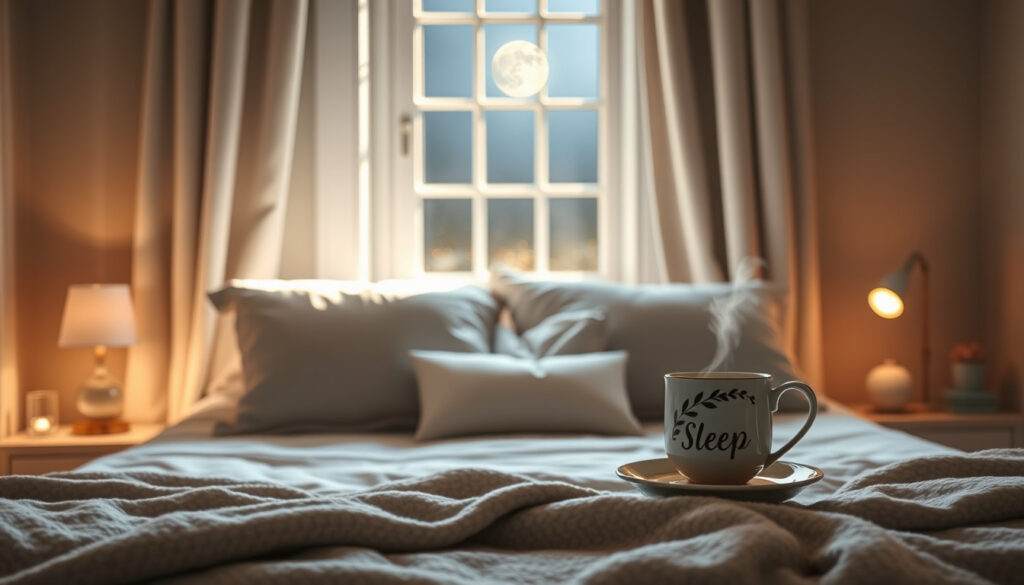
What to Do to Sleep Better: Science-Backed Tips & Techniques
There’s a reason you’re here while the clock ticks past midnight. Good sleep can feel like a luxury when stress, screens, and late coffee keep getting in the way.
Recommended sleep duration: 7–9 hours per night (CDC) ·
Caffeine cutoff: Avoid at least 6 hours before bed (Sleep Foundation) ·
Blue light: Turn off electronics 30 minutes before bed (CDC) ·
Optimal bedroom temperature: 65–68°F (Harvard Health)
Quick snapshot
- Tart cherries (Northwestern Medicine)
- Bananas (Sleep Foundation)
- Almonds (Northwestern Medicine) (Northwestern Medicine)
- Oatmeal (Cleveland Clinic)
- Coffee and soda after 4 PM (Cleveland Clinic)
- Spicy meals at dinner (Northwestern Medicine)
- Heavy or fatty foods (CDC)
- Deep breathing exercises (Harvard Health)
- Progressive muscle relaxation (Harvard Health)
- Audio white noise (Sleep Foundation)
Four factors that make or break your sleep quality, with the numbers and sources you can trust:
| Factor | Optimal Value |
|---|---|
| Sleep schedule consistency | Go to bed and wake up same time daily (CDC) |
| Optimal bedroom temperature | 65–68°F (18–20°C) (Harvard Health) |
| Melatonin dosage range | 0.5–5 mg, taken 1–2 hours before bed (Sleep Foundation) |
| Exercise timing for better sleep | Morning or early afternoon; avoid vigorous exercise within 2 hours of bed (CDC) |
What is good for sleep?
Establishing a consistent sleep schedule
- The CDC recommends going to bed and waking up at the same time every day, including weekends, as one of the most effective sleep habits.
- Harvard Health adds that a consistent schedule of seven to nine hours per night helps regulate the body’s internal clock.
The pattern is clear: when your bedtime shifts by more than an hour, your circadian rhythm — the 24‑hour internal cycle — struggles to keep up.
Creating a relaxing bedroom environment
- The CDC advises keeping the bedroom quiet, relaxing, and cool for better sleep.
- Harvard Health specifies a room temperature around 65°F to 68°F as optimal.
Small changes — blackout curtains, a fan, or a white noise machine — can make the space feel like a sleep sanctuary.
Your bedroom environment directly influences melatonin production. A dark, cool room signals your brain that it’s time to rest, not to stay alert.
The implication: fixing environment and timing alone resolves most common sleep complaints before any other intervention is needed.
What disrupts deep sleep?
Effects of caffeine and alcohol
- The Sleep Foundation recommends limiting caffeinated foods and drinks at least six hours before bed — eight hours if you’re sensitive.
- Cleveland Clinic suggests finishing your last caffeinated drink by 2 p.m. if you have trouble sleeping.
- The CDC warns that alcohol, while it may make you drowsy initially, disrupts sleep quality later in the night.
Caffeine’s half‑life of 5–6 hours means a 4 p.m. coffee can still interfere with your deep sleep at 11 p.m.
Impact of electronic devices
- The CDC recommends turning off electronic devices at least 30 minutes before bedtime.
Blue light from screens suppresses melatonin, the hormone that tells your body it’s time to sleep. A 90‑minute delay in melatonin release has been documented after exposure to bright screens in the evening, according to research cited by Harvard.
Stress and anxiety management
- Harvard Health notes that daytime habits — including stress management — are essential for nighttime rest.
Chronic stress raises cortisol levels, which can keep you in a light, fragmented sleep stage rather than the deep, restorative one your body needs.
Even if you feel you can sleep after a late coffee or a glass of wine, objective measures show your deep sleep is being cut short. You may not notice it, but your body does.
The pattern: common sleep disruptors are often invisible to the sleeper, which is why objective measures matter more than subjective feeling.
What are the 5 foods that can cause insomnia?
High‑sugar foods and refined carbs
- Cleveland Clinic reports that meals high in fiber and low in saturated fat and simple carbs may help sleep, implying that the opposite — sugary, refined foods — can trigger wakefulness through blood sugar spikes.
Spicy and acidic foods
- Northwestern Medicine advises avoiding high‑fat, spicy, sugary, acidic, and caffeinated foods and drinks before bed, as they can cause heartburn and indigestion that wake you up.
Fatty or heavy meals close to bedtime
- The CDC recommends avoiding large meals before bedtime to prevent discomfort that interferes with sleep.
Caffeine‑containing foods and drinks
- Beyond coffee, Northwestern Medicine notes that caffeine should be avoided at least two to three hours before bed, though the Sleep Foundation widens that to six hours.
Alcohol despite initial drowsiness
- The CDC warns that alcohol reduces REM sleep and increases nighttime awakenings, so that nightcap may be doing more harm than good.
The implication: what you eat and drink in the evening can either support or sabotage your sleep architecture. Cutting out the five categories above is a practical first step.
The catch: even seemingly harmless evening snacks can fragment sleep architecture in ways that accumulate over time.
Which food is richest in melatonin?
Tart cherries and cherry juice
- Northwestern Medicine lists tart cherries and tart cherry juice among foods associated with better sleep, noting they naturally contain melatonin.
- The Sleep Foundation confirms tart cherries as a melatonin‑rich food.
Walnuts
- Walnuts are a natural source of melatonin and also provide omega‑3 fatty acids, which Sleep Foundation notes may support sleep quality.
Fatty fish, milk, and kiwi
- Northwestern Medicine includes eggs and milk as melatonin‑containing foods.
- Sleep Foundation adds kiwi fruit, which has been linked to improved sleep onset in some studies.
None of these are magic bullets — the Cleveland Clinic cautions that there are no foods that immediately cause drowsiness. But eaten regularly, they contribute to your body’s natural melatonin pool.
Tart cherries and walnuts stand out as the most potent natural melatonin sources. A small handful of walnuts or a glass of tart cherry juice an hour before bed may help shave off some time falling asleep.
The pattern: natural melatonin sources work gradually and cumulatively, unlike supplements which act faster but with less understood long-term effects.
How to sleep fast using the 4‑7‑8 method?
Step‑by‑step breathing pattern
- Inhale through your nose for 4 seconds.
- Hold your breath for 7 seconds.
- Exhale through your mouth for 8 seconds.
Developed by Dr. Andrew Weil, the 4‑7‑8 method is a breathing technique based on pranayama. This cycle is repeated four to eight times. The extended exhale stimulates the parasympathetic nervous system, lowering heart rate and signaling safety to the brain.
Why it works: parasympathetic activation
- Harvard Health emphasizes the role of relaxation routines in preparing the body for sleep, and deep breathing is one of the core techniques recommended.
The 4‑7‑8 method works by giving your mind a single, repetitive task — one that forces your body to shift from “fight‑or‑flight” to “rest‑and‑digest” mode.
When to use the technique
- Use it when you’re lying in bed and feel anxious or wired. Regular practice, according to Dr. Weil, can shorten sleep onset over time.
The trade‑off: it takes discipline. The first few times you try it, the hold may feel uncomfortable. But within a week, most people find it reliably quiets a racing mind.
What’s next for your sleep routine?
You now have a checklist rooted in real data: stick to a consistent schedule, cool the bedroom, cut caffeine by mid‑afternoon, skip heavy late meals, and add a handful of walnuts or a glass of tart cherry juice before bed. For those rough nights, the 4‑7‑8 breathing technique is a zero‑cost, zero‑risk tool to reach for.
For the average adult who struggles with sleep onset, the most immediate win is not a supplement — it’s removing the one or two disruptors that currently derail your nights. Start by moving your last caffeine to 2 p.m. and turning off screens 30 minutes before bed. Once these two anchors are in place, the remaining habits become easier to adopt.
Confirmed facts vs. what remains unclear
Confirmed facts
- Consistent sleep schedule improves sleep quality (CDC)
- Blue light exposure delays melatonin (CDC)
- Caffeine disrupts sleep if consumed within 6 hours of bed (Sleep Foundation)
What’s unclear
- Long‑term effects of melatonin supplements are not fully understood
- Effectiveness of weighted blankets varies by individual
- Role of tryptophan‑rich foods alone in treating insomnia
- Whether melatonin supplements consistently reduce sleep onset time for all individuals (Sleep Foundation)
Expert perspectives on sleep
“Going to bed and getting up at the same time every day… helps set your body’s internal clock.”
CDC (U.S. public health agency)
“There is no single food that will make you sleepy on the spot. But a balanced diet rich in fiber, lean protein, and complex carbs sets the stage for better sleep.”
“Deep sleep is the stage when the body repairs itself and the brain consolidates memories. Anything that shortens it — caffeine, alcohol, stress — robs you of that restoration.”
NIH National Institute of Neurological Disorders and Stroke (U.S. federal research agency)
“The 4‑7‑8 breathing technique is a natural tranquilizer for the nervous system. It’s simple, free, and you can do it anywhere.”
Dr. Andrew Weil (integrative medicine expert)
healthline.com, npr.org, health.osu.edu, pmc.ncbi.nlm.nih.gov, healthline.com, health.clevelandclinic.org, healthline.com
Frequently asked questions
Which side is best to sleep for reflux?
Sleeping on your left side is generally recommended for acid reflux, as it keeps the stomach below the esophagus and reduces the chance of acid flowing back. The Northwestern Medicine advice to avoid spicy and acidic foods before bed can also help reduce nighttime reflux.
What home remedy induces sleep?
A warm bath or shower an hour before bed can lower your core body temperature afterward, signaling sleep. Other home remedies include drinking tart cherry juice or using the 4‑7‑8 breathing method.
Does banana help you sleep?
Bananas contain magnesium and potassium, which Northwestern Medicine notes may help promote muscle relaxation. They also contain tryptophan, a precursor to melatonin, though no single food is a guaranteed sleep aid.
What is the best juice for sleep?
Tart cherry juice has the strongest evidence for improving sleep duration and quality, thanks to its natural melatonin content. The Sleep Foundation lists tart cherries as a top melatonin‑rich food.
What to drink to fall asleep fast?
A glass of warm milk or tart cherry juice, taken about an hour before bed, may help. Both contain compounds that support the sleep‑wake cycle. Avoid sugary drinks, which can spike blood sugar and wake you up.
How to fall asleep in 1 minute?
The 4‑7‑8 breathing method is one of the fastest ways to calm your nervous system. Lying in a dark room and focusing on slow, deep breaths can often bring sleep within a few minutes.
Which fruit is good for insomnia?
Kiwi fruit has been studied for its effects on sleep onset. The Sleep Foundation notes that kiwi consumption is linked to improved sleep quality, possibly due to its serotonin and antioxidant content.
More related posts
 Night of the Long Knives: Hitler’s SA Purge Explained
 Google Translate Māori to English: Best Translator & Alternatives
 Air Purifiers for Allergies: Do They Help
 Mince Pie Recipe NZ: Savory Kiwi Mince & Cheese Pie
 Things to Do in Palmerston North: Honest Guide & Verdict
 Shona McFarlane Retirement Village: Costs, Care & Guide
 Number 1 Shoe Warehouse: Number One Shoes NZ Deals
 How to Create a LinkedIn Profile: Step‑by‑Step Guide
